

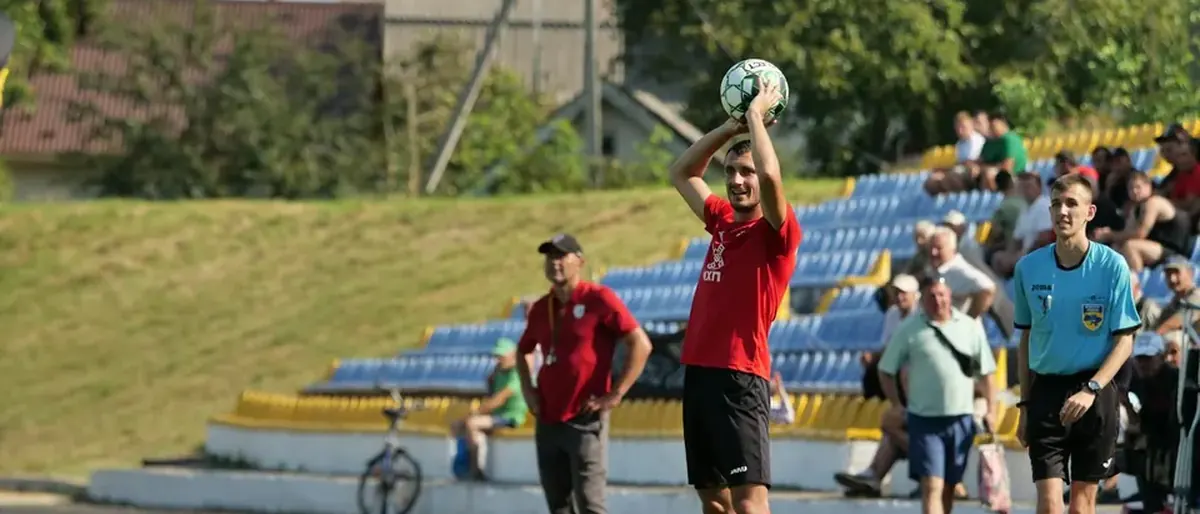
When Leeds United secured their return to the Premier League under Daniel Farke, the midfield rebuild became a central talking point. Among the arrivals, Anton Stach emerged as a figure whose contributions—while not always flashy—have proven quietly essential. With a share of the club’s top assist tally in the current campaign, Stach’s role within Farke’s system invites closer examination.
The Midfield Architect: Stach’s Role in Farke’s System
Daniel Farke’s tactical identity revolves around high pressing, quick transitions, and controlled possession. In this framework, the central midfielder is not merely a distributor but a trigger for offensive movement. Stach, operating primarily as a box-to-box presence, has adapted to these demands with notable discipline. His positioning often sees him drop between the centre-backs to initiate build-up, then surge into advanced areas to support the forward line.
What distinguishes Stach from his midfield counterparts is his ability to read space. While others offer more direct dribbling or defensive screening, Stach functions as the connective tissue—linking defence to attack without losing structural balance. His assist numbers, modest as they may seem, reflect a player whose final pass arrives at critical junctures rather than through volume.
Breaking Down the Assists: A Statistical Snapshot
To understand Stach’s creative output, it is worth examining the context of his assists. Each has come in a different phase of play, demonstrating versatility rather than reliance on a single pattern.
| Opponent | Match Context | Type of Assist | Result |
|---|---|---|---|
| Newcastle United | Home, early season | Through ball to Calvert-Lewin | Draw |
| Crystal Palace | Away, mid-season | Cross from deep to Nmecha | Loss |
| Wolverhampton Wanderers | Home, late season | Cutback after press recovery | Draw |
The Newcastle assist typifies Stach’s intelligence: a perfectly weighted pass splitting the defensive line, allowing Dominic Calvert-Lewin to finish with his trademark composure. Against Wolves, his work rate in winning back possession before delivering the cutback highlighted the pressing ethos Farke demands. These moments, though isolated, underscore a player who contributes beyond raw numbers.
Comparison with Fellow Midfield Creators
Leeds’ midfield assist leaders present an interesting comparative study. While all three have recorded similar assist totals, the underlying styles differ markedly. One player generates more chances through individual skill and movement, while another prioritises security and defensive cover. Stach sits in the middle ground—efficient in possession while contributing meaningfully to defensive work. This balance makes him an ideal fit for a side navigating the rigours of a relegation battle, where both composure and industry are non-negotiable.
The Pressing Connection: Stach and Farke’s Tactical Demands
Farke’s system relies on coordinated pressing triggers, often initiated by the forward line but sustained by midfielders. Stach’s role in this phase cannot be overstated. His ability to anticipate opposition passing lanes and close down space without committing recklessly allows Leeds to regain possession in dangerous areas.

Against Crystal Palace, for instance, Stach’s pressing forced a turnover that led to his assist for Lukas Nmecha. Though the match ended in defeat, the sequence illustrated how his defensive intelligence directly fuels attacking transitions. This dual responsibility—creating while disrupting—is rare in modern midfielders, and it explains why Farke has trusted him with consistent minutes despite the team’s precarious position.
Risks and Limitations: Where Stach Must Improve
No profile is complete without acknowledging areas for growth. Stach’s assist tally, while respectable, places him among the lower tier of creative midfielders in the Premier League. His shot creation metrics lag behind peers in similar roles, and his tendency to play safe passes in the final third can frustrate when Leeds need a breakthrough. These figures suggest that while Stach is effective within his role, he is not yet a primary creator. For Leeds to climb away from the relegation zone, they may need more direct contributions from midfield—either from Stach raising his output or from other players stepping forward.
The Broader Context: Leeds United’s Season
Leeds currently sit in the lower half of the Premier League table, with a goal difference that reflects a tight campaign. The team’s survival hopes hinge on tightening defensive organisation and converting draws into wins—an area where Stach’s creative contributions could prove decisive.
For a deeper look at the squad’s overall composition, visit the player profiles and squad overview. Injuries have also played a role in disrupting rhythm, with updates available in the injury reports section. Farke’s record of promotions remains a testament to his ability to steer teams through adversity, as explored in Daniel Farke’s promotion history.
Conclusion: A Quietly Essential Piece
Anton Stach may never dominate headlines or feature in highlight reels. His assist numbers do not place him among the league’s elite creators. Yet within Daniel Farke’s system, he performs a role that is both specific and vital—linking phases, pressing intelligently, and delivering key passes when the moment demands. For a Leeds side fighting to retain its Premier League status, such contributions, however understated, carry weight far beyond the statistics.