

Advanced Playmaker (Attacking Midfielder)
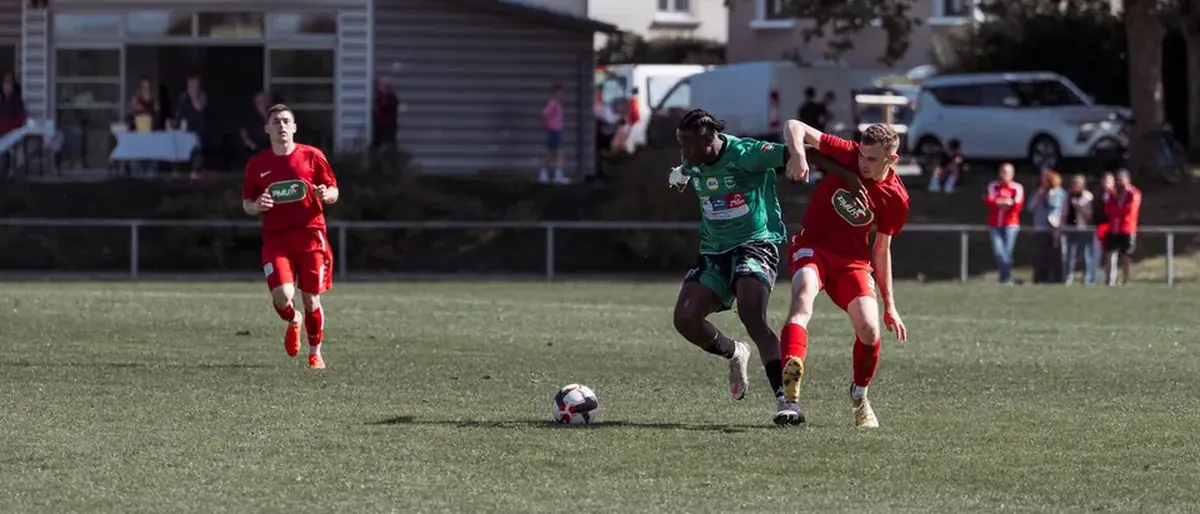
The term "advanced playmaker" typically describes a midfielder who operates between the opposition's midfield and defensive lines, tasked with receiving the ball in tight spaces and creating scoring opportunities. For Leeds United, Brenden Aaronson has been deployed primarily in this role under Daniel Farke's system. His movement is designed to exploit the half-spaces—the areas between full-backs and center-backs—where he can turn and drive at defenders. Unlike a traditional number 10 who might stay central, Aaronson often drifts wide to combine with overlapping full-backs or wingers, creating overloads that destabilize compact defensive blocks. His work rate off the ball, pressing from the front, is a key component of Farke's pressing tactics, as he initiates the first line of pressure alongside the striker.
Pressing Trigger (First Defender)
In Farke's system, the pressing trigger is the moment when the team initiates a coordinated high press to win the ball back quickly. Aaronson serves as the "first defender" in this structure, meaning he is responsible for closing down the opposition's center-backs or defensive midfielder when they receive the ball with their back to goal. His stamina and anticipation allow him to cut off passing lanes while simultaneously applying pressure, forcing errors or rushed clearances. This role requires exceptional reading of the game, as mistimed presses can leave gaps in midfield. For Leeds, Aaronson's pressing has been a double-edged sword: effective in creating turnovers in advanced areas but occasionally leaving him out of position when the press is bypassed.
Creative Output (Chance Creation)
Creative output refers to the number of key passes, assists, and expected assists (xA) a player generates per 90 minutes. Aaronson's statistics show he is among Leeds' leaders in chances created from open play, though his final ball consistency has been debated. His ability to play through balls into the run of attackers is a crucial part of Leeds' attacking transitions. However, his creative numbers have fluctuated depending on the opposition's defensive shape—against low blocks, his influence wanes as space becomes congested. Farke has adjusted by allowing Aaronson to drop deeper to receive the ball, but this sometimes reduces his threat in the final third.
False Nine Movement
When the striker drops deep to link play, Aaronson often makes runs in behind the defensive line, effectively acting as a "false nine" in those moments. This movement creates confusion for center-backs, who must decide whether to follow Aaronson or stay with the striker. It also opens up space for wingers to cut inside. Aaronson's intelligence in timing these runs has been a subtle but important aspect of Leeds' attacking variety, though his finishing from these positions has been inconsistent.
Work Rate (Defensive Contribution)
Work rate in modern football is measured not just by distance covered but by the quality of defensive actions—tackles, interceptions, and pressures that disrupt the opponent's rhythm. Aaronson consistently ranks among Leeds' top outfield players for pressures per 90 minutes. This aligns with Farke's philosophy of collective pressing, where every outfield player is expected to contribute defensively. However, his tackling success rate is below average for a Premier League midfielder, meaning his defensive value lies more in harassment than in winning the ball cleanly.
Transitional Play (Counter-Pressing)
Transitional play refers to the moments immediately after possession is lost or won. Aaronson excels in the "counter-press"—the immediate attempt to win the ball back within five seconds of losing it. His agility and anticipation allow him to react quickly when a pass is intercepted, often winning the ball in dangerous areas. This has led to several goalscoring opportunities for Leeds, particularly when opponents try to play out from the back. However, his positioning in defensive transitions—when Leeds lose the ball and must recover—has been criticized, as he can be caught too high up the pitch, leaving gaps in midfield.
Positional Discipline
Positional discipline is the ability to maintain the team's shape and tactical structure, even when the ball is far away. For an advanced playmaker like Aaronson, this means not drifting too wide or too deep without purpose. Under Farke, there is a clear expectation that the number 10 stays within a defined zone in the final third to provide a passing option. Aaronson's discipline has improved compared to his first spell at Leeds, but he still occasionally vacates his zone to chase the ball, leaving a hole in midfield that opponents exploit.
Link-Up Play (Combination Football)
Link-up play involves short passes, one-twos, and quick combinations to progress the ball through tight areas. Aaronson's technical ability in tight spaces is one of his standout attributes. He frequently combines with full-backs and wingers in the final third, using quick exchanges to bypass defenders. His partnership with teammates on the right side has been particularly effective, as their ability to carry the ball forward complements Aaronson's quick passing. However, against physically dominant midfielders, Aaronson can be bullied off the ball, limiting his effectiveness in these combinations.
Pressing Efficiency
Pressing efficiency measures how often a player's pressure leads to a turnover or a mistake. While Aaronson's raw pressure numbers are high, his efficiency—the percentage of pressures that result in a regain of possession—is average for an attacking midfielder. Farke has worked with him on choosing when to press rather than pressing constantly, as wasteful pressing can tire him out and leave gaps. The balance between intensity and intelligence is an ongoing area of development.
Off-the-Ball Movement (Third-Man Runs)
Third-man runs refer to a player making a penetrating run beyond the ball carrier and the first receiver, creating space for a third player to exploit. Aaronson is adept at these runs, particularly when Leeds build up through the middle. He will often start wide, then cut inside behind the defense, dragging a full-back with him and opening space for the overlapping wing-back. This movement is a key part of Farke's attacking patterns, though it requires precise timing from the passer.
Attacking Transitions (Speed of Play)
In attacking transitions—when Leeds win the ball and break quickly—Aaronson's speed of decision-making is crucial. He typically receives the ball on the half-turn and looks to play forward immediately, either with a pass or by driving at the defense. His ability to release the ball quickly helps Leeds exploit spaces before the opposition can reorganize. However, his passing accuracy in these moments has been inconsistent, with some rushed passes leading to turnovers.
Defensive Shape (Midfield Compactness)
When Leeds are out of possession, the midfield must remain compact to prevent opponents from playing through the center. Aaronson's role in this shape is to stay close to the central midfielders, forming a tight block. His understanding of this compactness has improved, but he can still be drawn out of position by ball-watching, particularly when the opposition switches play quickly. Farke has emphasized the importance of maintaining shape, and Aaronson's discipline in this area will be tested.
Set-Piece Role (Attacking)
Aaronson is not typically a primary target on set pieces due to his height, but he plays a crucial role in creating space for taller teammates. He often positions himself near the near post or on the edge of the box, ready to pick up second balls or take quick corners. His delivery from dead-ball situations has been used occasionally, though he is not the primary set-piece taker.
Psychological Resilience
The psychological demands of playing for Leeds United are significant. Aaronson has faced criticism from sections of the fanbase for his inconsistency, and his response to adversity has been scrutinized. After a difficult first season in the Premier League, his return to the club in the Championship and subsequent promotion showed mental fortitude. His body language and decision-making under pressure have been a focus, with Farke publicly supporting his confidence.
Tactical Flexibility (Multiple Positions)
Aaronson's ability to play across the frontline—as a number 10, on either wing, or even as a false nine—gives Farke tactical flexibility. In matches where Leeds need to chase a goal, he can be moved to the right wing to provide creativity, with another midfielder slotting into the number 10 role. This versatility is valuable in a squad that has dealt with injuries, though it also means he has not had a settled position to build consistency.
Comparison with Ilia Gruev
While both are midfielders, Aaronson and Gruev have very different roles. Gruev is a deeper-lying playmaker who controls tempo and dictates play from midfield, while Aaronson is more direct and aggressive in the final third. Their partnership has been complementary, with Gruev supplying the passes that allow Aaronson to operate in advanced areas. However, when Leeds face teams that press aggressively, both can struggle to find space, leading to a lack of creativity in midfield.
Impact on Leeds' Survival Hopes
As Leeds United fight to avoid relegation in the Premier League, Aaronson's form will be critical. His ability to create chances for attackers, combined with his pressing from the front, makes him a key component of Farke's system. However, his inconsistency in front of goal and occasional defensive lapses have frustrated fans. The question remains: can Aaronson deliver the consistency needed to keep Leeds in the top flight?
What to Check When Evaluating Aaronson's Performance
- Match footage: Watch his positioning in defensive transitions—does he recover quickly or leave gaps?
- Pressing stats: Look at pressures per 90 and pressing efficiency on sites like FBref or WhoScored.
- Creative numbers: Key passes, assists, and expected assists (xA) give a clearer picture than raw assists.
- Farke's comments: Post-match interviews often reveal tactical adjustments and expectations.
- Fan discussions: Forums like The WACCOE Independent provide context on perception versus reality.
For more on Leeds United's season, check out our latest news, analysis of Ilia Gruev's assist statistics, and detailed squad profiles.