

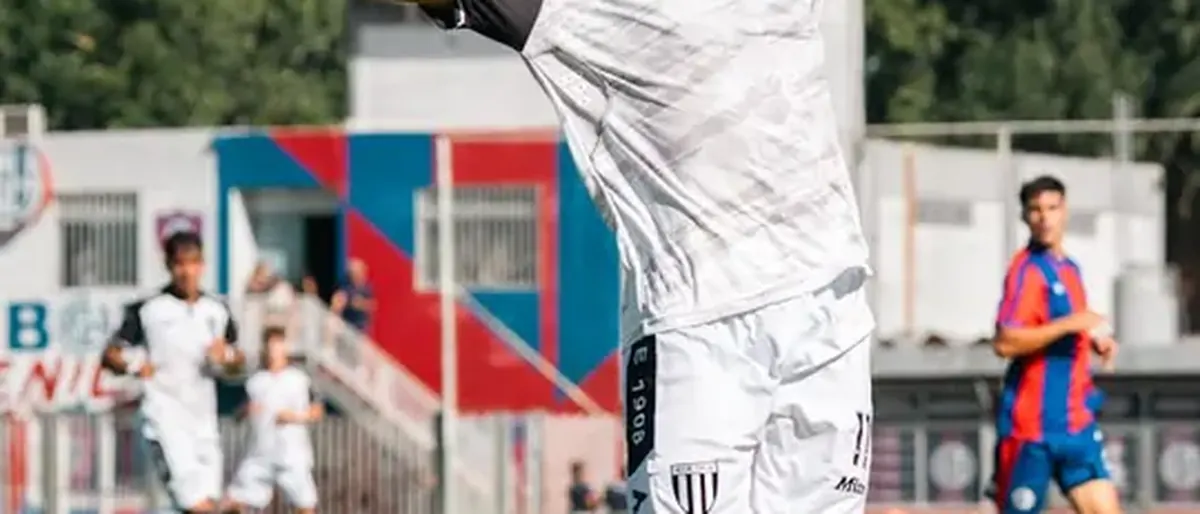
You're watching Leeds United in the 2025/26 Premier League season, and something feels different. The team presses with purpose, recovers the ball high up the pitch, and creates chances even against top sides. But you've also seen games where it falls apart—where gaps appear, goals leak, and you're left wondering: is this system actually working? Let's break down Daniel Farke's pressing system, the common problems fans and analysts spot, and what can be done about them.
The Core of Farke's Pressing Philosophy
Daniel Farke, the manager who led Leeds to promotion back to the Premier League, doesn't just ask his players to run hard. His system is built on structured, coordinated pressing that aims to force opponents into mistakes in dangerous areas. It's a high-risk, high-reward approach that relies on specific triggers—like a loose pass, a backward header, or a goalkeeper under pressure—to activate the press.
At its best, this system pinches opponents in their own third, creates turnovers, and feeds forwards like Dominic Calvert-Lewin and Lukas Nmecha in advanced positions. At its worst, it leaves the backline exposed, especially when the press is bypassed with a single long ball.
Common Problem 1: The Press Gets Split by Diagonal Balls
What you see: A centre-back plays a diagonal switch to the opposite full-back, and suddenly three or four Leeds players are chasing shadows. The press is broken, and the opponent has time to pick a pass into midfield.
Why it happens: Farke's press relies on compactness—players must shift as a unit. When the ball moves quickly across the pitch, especially from one flank to the other, the pressing lines can get stretched. If the full-back or winger on the far side doesn't recognise the trigger quickly enough, a gap opens.
Step-by-step solution:
- Identify the trigger: Watch for when the opponent's centre-back receives the ball with their body open to the sideline. That's often the moment before a diagonal.
- Shift the block: The near-side winger should curve their run to cut off the passing lane to the far full-back, while the midfield three slide across.
- Communication: The far-side full-back needs to shout early—"Man on!" or "Step up!"—to alert the winger ahead.
- Recovery run: If the ball does switch, the nearest midfielder must sprint to engage the receiver immediately, buying time for the rest of the unit to reset.
Common Problem 2: The Midfield Gets Overrun in Transition
What you see: Leeds win the ball high up, but a quick pass from the opponent splits the midfield, and suddenly they're running at the back four. Brenden Aaronson, Anton Stach, and Ilya Gruev are caught between pressing and retreating.
Why it happens: Farke's midfielders are asked to press aggressively, often stepping out to engage opponents. But when the press is broken, they're left in no-man's land—too high to defend, too deep to press again.
Step-by-step solution:
- Recognise the counter-press opportunity: If the ball is lost within 10 yards of the opponent's goal, the nearest player should immediately try to win it back (the "counter-press"). If not, drop.
- Form a midfield screen: The two deeper midfielders (usually Gruev and Stach) should sit in front of the centre-backs, not chase wide. Let the wingers and full-backs handle the flanks.
- Aaronson's role: As the most advanced midfielder, Aaronson should be the first to press, but also the first to recover if the press fails. His work rate is crucial.
- Use the full-backs as safety nets: If the press is bypassed, the full-backs must tuck in to create a temporary back five, giving the midfield time to recover.
Common Problem 3: Calvert-Lewin Is Isolated When the Press Fails
What you see: The ball is turned over, Calvert-Lewin makes a run, but the pass doesn't come. Or worse, he's left alone up front while the opponent builds from the back, and he can't press three defenders by himself.
Why it happens: Farke's system requires the striker to be the first line of defence. But if the midfield doesn't push up to support, Calvert-Lewin is on an island. He's effective as a target man and finisher, but he's not a 90-minute pressing machine.
Step-by-step solution:
- Curve the run: Calvert-Lewin should angle his pressing runs to force the ball to one side, making it predictable for the midfield behind him.
- Second striker support: When Nmecha or another forward plays alongside him, they should take turns pressing—one goes, the other stays in a passing lane.
- Midfield trigger: The midfield must push up as a unit when Calvert-Lewin engages. If they stay deep, the press is useless.
- Alternative option: If Calvert-Lewin is clearly isolated, the team should drop into a mid-block (around the halfway line) rather than pressing high. This conserves energy and keeps the shape.
Common Problem 4: The Press Works, but the Final Ball Is Missing
What you see: Leeds win the ball high up—great press!—but then a rushed pass from Aaronson or a heavy touch from a winger kills the chance. The crowd groans.
Why it happens: Pressing high is exhausting. When players are fatigued, their technical quality drops. The system creates chances, but converting them requires composure that's hard to maintain over 90 minutes.
Step-by-step solution:
- Slow it down: After winning the ball, the first instinct should be to find a teammate in space, not to force a shot. A simple pass to a midfielder resets the attack.
- Use the full-backs: If the press wins the ball wide, the full-back should overlap immediately, giving the winger a passing option rather than a 1v1.
- Aaronson's decision-making: As the creative hub, Aaronson needs to pick the right moment to play through balls. Sometimes a sideways pass is better than a killer ball.
- Practice finishing under pressure: This is a training-ground issue. The coaching staff should simulate high-intensity pressing scenarios in drills to improve composure.
Common Problem 5: The Press Doesn't Work Against Low Blocks
What you see: Against teams that sit deep (like Burnley or Sheffield United), Leeds press high, but the opponent just hoofs it long or passes it around the back. The press feels pointless.
Why it happens: Farke's system is designed to force mistakes, but low-block teams don't make mistakes in dangerous areas—they clear the ball or play safe passes. The press becomes a waste of energy.
Step-by-step solution:
- Adjust the trigger: Don't press the centre-backs if they're just passing sideways. Instead, focus on pressing the full-backs when they receive the ball—that's where turnovers happen.
- Drop into a mid-block: Let the opponent have the ball in their own half. Then, when they try to advance, press them in the middle third.
- Use set pieces: Against low blocks, pressing is less important than creating chances from corners and free kicks. Calvert-Lewin's aerial ability is a weapon here.
- Patience: The press isn't always about winning the ball immediately. Sometimes it's about forcing the opponent into a long ball that your centre-backs can handle.
When to Call in the Professionals
Some pressing problems aren't fixable by individual players or even the coaching staff mid-season. Here's when you need to look deeper:
- Injury crisis: If key pressers like Aaronson, Stach, or Gruev are out, the system breaks. The medical team and fitness coaches need to manage workloads.
- Tactical evolution: If the league has figured out Farke's press (as often happens in the Premier League), the coaching staff needs to innovate. This could mean new pressing triggers, a different formation, or even a change in philosophy.
- Recruitment needs: If the current squad doesn't have the athleticism or technical quality to execute the press, it's a long-term issue for the sporting director. The 2025/26 squad has strengths (Calvert-Lewin's finishing, Aaronson's creativity) but may need a faster centre-back or a more mobile midfielder to sustain the system.
But here's the thing: Farke has done this before. He knows how to adapt. The question for 2025/26 is whether he can tweak this system enough to keep Leeds in the top flight—and whether the players can execute it consistently.
For more on Leeds United's season, check out our latest news hub, the goal difference analysis, or join the discussion in our fan polls.