

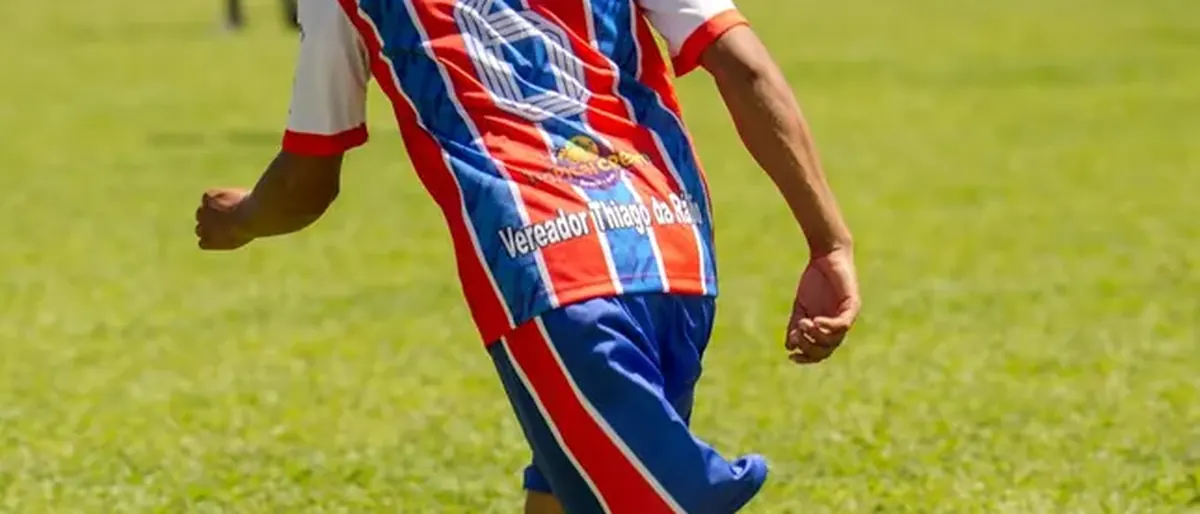
The sight of Elland Road on a matchday is a study in controlled chaos—a sea of white, yellow, and blue that moves as one organism. But among the thousands of voices and the thunderous "Marching on Together," there exists a quieter, more deliberate form of expression: the flags and banners that hang from the stands, drape over the East Stand upper tier, and wave defiantly in the Yorkshire wind. These are not mere decorations. They are the visual chronicle of a club that has risen, fallen, and risen again, carried by a fanbase that treats its symbols with the reverence of sacred texts.
To understand Leeds United is to understand the language of its banners. From the iconic "Leeds, Leeds, Leeds" that stretches across the Kop to the hand-painted tributes to fallen legends, each piece of fabric tells a story of identity, resistance, and belonging. In an era of sanitised, corporate stadium experiences, the flag culture at Elland Road remains stubbornly organic—a testament to a supporter base that refuses to be commodified.
The Origins of a Visual Identity
The tradition of flags and banners at Elland Road predates the modern Premier League era by decades. In the 1960s and 1970s, under Don Revie's reign, the club's identity was forged in the crucible of Yorkshire grit and tactical sophistication. The banners of that era were simple—hand-painted bedsheets declaring "Revie's Army" or "The Pride of Yorkshire." They were functional, not decorative; messages of support rather than artistic statements.
But as the club's fortunes fluctuated, so too did the complexity of its visual culture. The 1990s, under Howard Wilkinson, saw a resurgence in banner-making as the club claimed the last-ever First Division title in 1991/92. The banners became more elaborate, incorporating club crests, player names, and increasingly sophisticated designs. A "We Are Leeds" banner, which has been displayed in the East Stand, is thought to date from this period—a relic of a time when the club stood at the summit of English football.
The true transformation came in the post-millennium years. As Leeds experienced the financial collapse of 2001 and the subsequent descent through the divisions, the banners took on a new role. They became weapons of defiance. "We Shall Not Be Moved" appeared in the South Stand. "Keep Fighting" became a recurring motif. The banners were no longer just celebrations of success; they were declarations of survival.
The Anatomy of a Matchday Display
A typical Leeds United matchday sees numerous distinct flags and banners displayed across the stadium. The distribution is not random. Each stand has its own culture, its own preferred style, and its own unwritten rules.
The Kop, the spiritual home of the most vocal supporters, favours large, dramatic displays. The "Leeds, Leeds, Leeds" banner—a simple, three-word declaration in white on a blue background—has become a widely recognized symbol of the stand. It is unfurled before kick-off and remains in place throughout the match, a constant reminder of the collective identity that unites the stand.
The East Stand features more varied displays. Here, you will find banners dedicated to individual players—current stars as well as legends of the past. These player-specific banners are often created by small supporter groups or individual fans, reflecting a more personal connection to the squad.
The South Stand is known for its vocal atmosphere and often features provocative and humorous banners. During the Yorkshire derby against Sheffield Wednesday or Huddersfield Town, this stand becomes a gallery of regional pride and rivalry. "Yorkshire Born and Bred" is a perennial favourite, as is "God's Own County"—a phrase that carries both pride and a gentle jab at Lancashire neighbours.
The Evolution of Design and Materials
The craft of banner-making at Leeds United has evolved significantly over the past two decades. In the early 2000s, most banners were hand-painted on bedsheets or tarpaulins. The results were often charmingly amateurish—uneven letters, bleeding colours, and designs that looked better from a distance than up close. But this roughness was part of their appeal. They were clearly the work of fans, not marketing departments.
Today, the landscape is more sophisticated. Many banners are now digitally printed on heavyweight polyester, with reinforced edges and grommets for hanging. The designs incorporate club fonts, official crests, and sometimes even photographic elements. Yet the hand-painted tradition persists, particularly among older supporter groups who view the digital shift as a loss of authenticity.
The materials matter for practical reasons. Yorkshire weather is unpredictable, and a banner that cannot withstand rain and wind will not last a full season. The best banners use marine-grade vinyl or heavy-duty canvas, materials that can endure the elements and still look presentable after months of exposure. A "Marching on Together" banner that hangs in the West Stand has been in use for many years, a testament to both its construction and the care taken in its maintenance.
Flags and Their Meanings
Beyond the large banners, flags play a distinct role in the Elland Road atmosphere. The Yorkshire flag—a white rose on a blue or green background—is ubiquitous. It appears in the stands, on scarves, and on the poles that fans bring into the stadium. For Leeds supporters, the Yorkshire flag is not a regional afterthought; it is a primary identifier. The club's identity is inextricably linked to the county, and the flag serves as a visual shorthand for that connection.
The St. George's Cross, by contrast, is less common at Elland Road than at many other English stadiums. This is not a statement of political disaffection but rather a reflection of the club's localist ethos. Leeds fans tend to prioritize Yorkshire and club identities over national ones. During European nights—rare as they have been in recent decades—the Union Jack appears more frequently, but in domestic matches, the white rose dominates.
International flags appear when the squad features players from specific nations, signaling the global reach of the Leeds United fanbase.
The Role of Supporter Groups
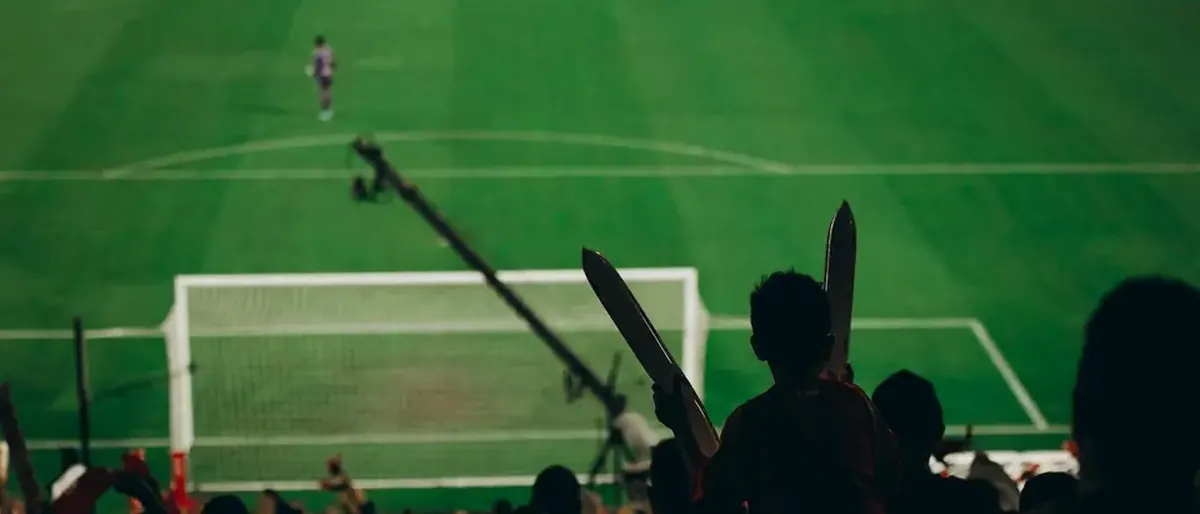
The flag and banner culture at Leeds United is not spontaneous. It is organised, funded, and maintained by a network of supporter groups, each with its own focus and resources.
The Leeds United Supporters' Trust (LUST) is believed to coordinate some of the largest displays, including the pre-match tifo shows that have become a feature of big games. These tifos—large-scale displays that cover entire stands—require weeks of planning, significant financial investment, and the cooperation of hundreds of fans. A "Pride of Yorkshire" tifo, unveiled for a recent promotion run-in, covered the entire Kop and required thousands of individual pieces of card and fabric.
Smaller groups focus on maintaining a constant presence of flags in the stands. These groups fundraise through merchandise sales, donations, and matchday collections. Their work is often invisible to the casual observer, but it is essential to the visual identity of the stadium.
The relationship between these groups and the club is generally cooperative but occasionally tense. The club provides storage space and logistical support for displays, but it does not fund them directly. This independence is a point of pride for the supporter groups, who view their banners as expressions of fan autonomy rather than club marketing.
The Risks and Challenges
Maintaining a flag and banner tradition is not without its difficulties. The most significant challenge is financial. A high-quality, digitally printed banner can cost several hundred pounds, and a single tifo display can run into the thousands. Supporter groups rely on donations and merchandise sales, but these are unpredictable. A poor run of results can depress fundraising, creating a vicious cycle where the visual culture suffers as the team struggles.
Security is another concern. The stadium has strict regulations about banner sizes, materials, and placement. Banners that block emergency exits, obscure advertising, or contain offensive content are removed immediately. The club's safety team inspects all displays before matches, and any banner that fails to meet standards is confiscated. This has led to occasional friction between fans and stewards, particularly when banners are removed for reasons that seem arbitrary or overly cautious.
Weather is an ever-present threat. A sudden storm can destroy months of work in minutes. A "We Are Leeds" banner in the East Stand has been repaired multiple times after being torn by high winds. Supporter groups have learned to use reinforced materials and to store banners indoors when storms are forecast, but the risk can never be eliminated entirely.
The Future of the Tradition
As Leeds United navigates the Premier League season, the flag and banner tradition faces new pressures. The increasing commercialisation of football threatens to transform fan displays into branded experiences. Some clubs have begun to provide pre-printed banners for fans, blurring the line between authentic supporter expression and corporate marketing.
At Elland Road, the resistance to this trend is strong. The supporter groups that maintain the flag culture are determined to keep it independent. They view their banners as a bulwark against the homogenisation of football culture—a reminder that the club belongs to its fans, not to its commercial partners.
The rise of digital displays also poses a challenge. Some stadiums have replaced physical banners with LED screens that display fan messages. The atmosphere at Elland Road, however, relies on the physical presence of fabric in the stands. The flutter of a flag, the weight of a banner, the collective effort required to unfurl a tifo—these are irreplaceable elements of the matchday experience.
For now, the tradition endures. The banners continue to hang, the flags continue to wave, and the visual identity of Leeds United remains firmly in the hands of its supporters. As long as there are fans willing to spend their time, money, and creativity on these displays, the culture will survive. And on a cold Tuesday night in February, when the floodlights illuminate the stands and the "Leeds, Leeds, Leeds" banner stretches across the Kop, it is impossible to imagine Elland Road any other way.
The flag and banner traditions of Leeds United fans are not decorative accessories to the matchday experience. They are the visual manifestation of a fanbase's identity, history, and values. From the hand-painted bedsheets of the Revie era to the digitally printed tifos of recent years, these displays tell the story of a club that has endured relegation, financial collapse, and redemption.
The banners are declarations: "We are Leeds." "Yorkshire born and bred." "Marching on together." They are messages to the players, to the opposition, and to the world. They say: this is who we are, this is where we come from, and this is what we believe.
For more on the culture that surrounds these displays, explore the fan culture at Elland Road, the unique atmosphere of the Yorkshire derby, and the fan zones that bring supporters together. The tradition is alive, and it is written in fabric and paint.