

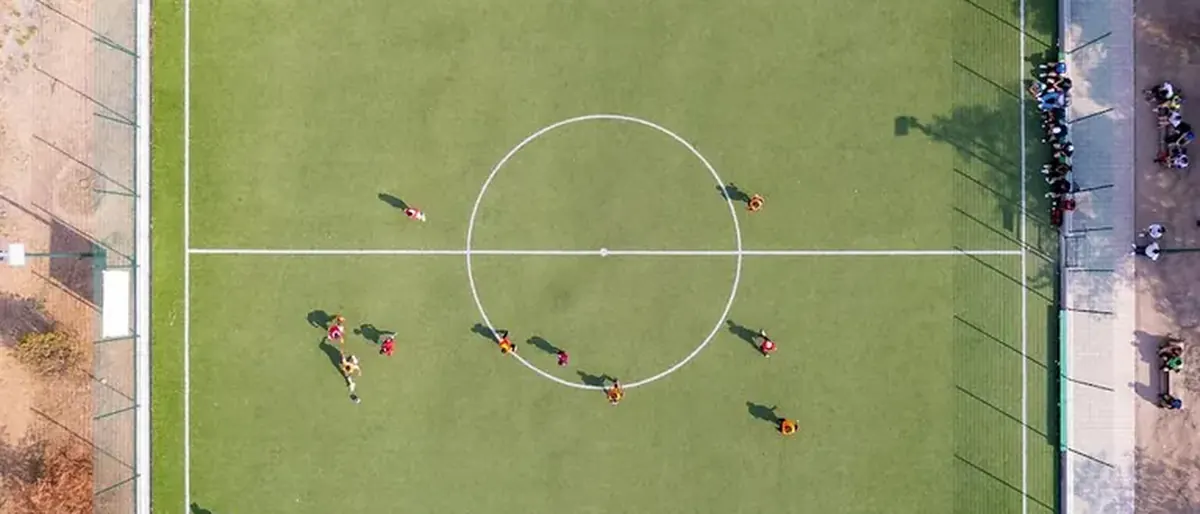
The defensive high line has become a defining feature of Daniel Farke's Leeds United in their Premier League campaign. It is a tactical gamble that has yielded both spectacular results and painful setbacks. For supporters accustomed to the pragmatic approaches of previous eras—from Don Revie's calculated dominance to Howard Wilkinson's title-winning organisation—this system represents a modern philosophy that prioritises controlled aggression over cautious containment. Yet, the margin between success and disaster is razor-thin.
Understanding the High Line: The Core Problem
At its simplest, a high defensive line pushes the back four or five close to the halfway line when Leeds have possession. The intention is to compress the pitch, suffocate opposition build-up play, and enable rapid transitions. Under Farke, this is not optional; it is the foundation of his pressing system. The midfield trio must work in concert with the defence to maintain this shape. When it functions correctly, opponents struggle to find space between the lines, and turnovers occur high up the pitch, feeding the forwards in dangerous areas.
However, the high line introduces a fundamental vulnerability: space behind the defence. Premier League attackers possess the pace and intelligence to exploit this. When the coordination breaks down—whether due to a misplaced pass, a slow recovery run, or a momentary lapse in concentration—Leeds are exposed to one-on-one situations against their goalkeeper.
Step-by-Step Diagnosis: Identifying When the High Line Fails
The first step in troubleshooting the high line is recognising the specific patterns that lead to conceding chances. Based on match observations, three recurring issues emerge:
- Midfield Disconnection: The line between the midfield and defence becomes stretched. This often happens when a midfielder pushes too far forward to press, leaving the defensive midfielder isolated. The back line, unsure whether to hold or retreat, hesitates. This hesitation is fatal. The solution requires the midfield trio to maintain a compact shape, with the central midfielder dropping deeper when the full-backs advance. In training, Farke has emphasised situational awareness drills where players must communicate shifts in real time.
- Full-Back Overcommitment: Leeds' full-backs are instructed to join attacks, creating numerical superiority in wide areas. But when possession is lost, they are often caught upfield. The remaining centre-backs must then defend a wider area than they can cover. The corrective action involves a designated "safety" midfielder who slides into the defensive line to provide cover. If this rotation is not executed, the high line becomes a suicide pact.
- Opponent's Direct Play: Teams that bypass the midfield with long balls force Leeds' defenders into foot races. The defensive line must recognise the trigger—a goalkeeper's long punt or a defender's rushed clearance—and drop collectively, rather than holding their ground. This requires constant scanning and pre-planned triggers based on the opponent's tendencies.
Practical Solutions: Drills and Tactical Adjustments
For supporters and analysts seeking to understand what Farke can adjust, several tactical levers are available. These are not guaranteed fixes but represent the logical steps a manager might take:
Offside Trap Discipline: The high line's best friend is a well-executed offside trap. Leeds have shown inconsistency here, occasionally stepping up as a unit but more often leaving one defender deeper. The solution lies in synchronised movement drills, where the entire back line watches the ball and the opponent's leading runner simultaneously. Video analysis sessions focusing on the moment the ball is played can train defenders to hold their line rather than ball-watch.
Midfield Screening: The role of a defensive screen is critical. When the opposition's playmaker receives the ball between the lines, the midfielder must engage quickly, forcing a sideways or backward pass. If he is bypassed, the centre-backs face a dilemma: step out to close down (creating space behind) or drop deep (inviting a shot from range). The preferred response is for the screen to receive support from a teammate, forming a temporary double pivot that buys time for the defence to reset.
Full-Back Rotation: On the rare occasions when both full-backs push forward, one must be designated to hold position if possession is uncertain. This is a matter of pre-match planning: against teams with rapid wingers, Farke might instruct one full-back to stay deeper, sacrificing attacking width for defensive security. The choice depends on the opponent's threat profile, which is assessed during the pre-match tactical briefing.
When the Problem Requires Specialist Intervention
Not every high-line issue can be solved through tactical tweaks. Some problems are structural and require personnel changes or long-term development. The following scenarios indicate that a specialist—whether a defensive coach, a sports scientist, or a recruitment analyst—must intervene:
- Chronic Speed Deficits: If the centre-backs consistently lose foot races to Premier League forwards, no amount of tactical organisation will compensate. This is a recruitment issue. The club's scouting network, focused on the academy and transfer market, must identify defenders with recovery pace.
- Communication Breakdowns: A high line demands constant verbal and non-verbal communication. If the defence fails to coordinate movements—stepping up at different times, failing to signal an offside trap—the root cause may be a lack of chemistry or a language barrier. Specialist coaching sessions, possibly with a dedicated defensive coach, can build understanding through repetition and scenario-based training.
- Fatigue-Induced Errors: The high line is physically demanding. Players covering large spaces over 90 minutes experience mental and physical fatigue, leading to lapses in concentration. Sports scientists can monitor workload and recommend rotation. Farke's rotation policy suggests he is aware of this, but the squad depth in defence remains a concern.
Case Study: The Cost of a Broken Line
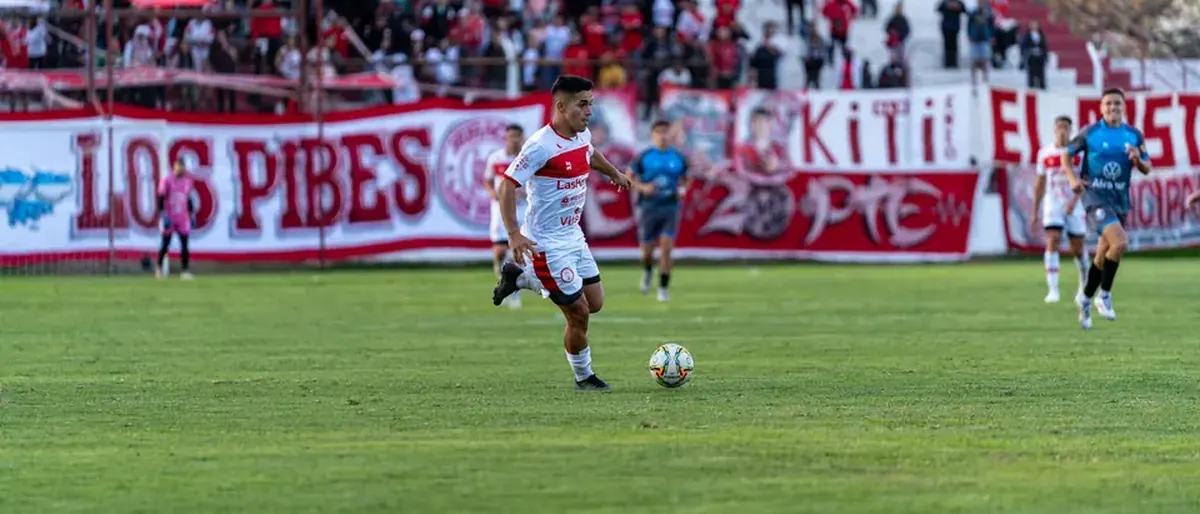
Consider a typical match scenario. Leeds are pressing high, with midfielders closing down the opposition's midfield. A misplaced pass from the opponent's centre-back is intercepted, but the Leeds midfielder's touch is heavy, allowing a quick counter. The full-back on the far side is still advancing, and the centre-backs are caught in two minds: one steps up, the other drops. The result is a through ball that splits the defence, leaving the striker one-on-one with the goalkeeper.
This pattern has repeated too often. A single defensive lapse can turn three points into one, or one into zero. For a team fighting to establish itself in the Premier League, these points are precious.
The Rewards: Why Farke Persists
Despite the risks, the high line remains central to Farke's philosophy because of its rewards. When executed correctly, it enables Leeds to dominate possession, create high-quality chances, and press opponents into mistakes. The midfield trio can thrive in this system, with players contributing assists in the current campaign. The forwards' goals are a direct result of the quick transitions that the high line facilitates.
Moreover, the high line is a statement of intent. It signals that Leeds are not content to sit deep and absorb pressure. Instead, they aim to dictate terms, even against superior opposition. This aggressive approach resonates with the Yorkshire fan culture, which values commitment and bravery over caution. The Elland Road crowd responds to a team that takes the game to the opponent, even when it backfires.
Conclusion: A Calculated Gamble
The high line under Farke is not a flaw to be eliminated but a calculated risk to be managed. The solutions lie in improved coordination, disciplined rotation, and intelligent recruitment. When the system works, Leeds are a formidable side capable of competing with any team in the division. When it breaks, the consequences are immediate and costly.
For supporters, the key is patience. Farke's track record demonstrates his ability to refine systems over time. The high line will not be abandoned. Instead, it will be honed through tactical adjustments and personnel development. If the club can address the structural issues through the academy and transfer market, the rewards may yet outweigh the risks.
For a deeper dive into how the midfield supports this system, explore our analysis of Leeds United's midfield pressing tactics. And for a broader view of Farke's tactical philosophy, visit our tactics analysis hub.