

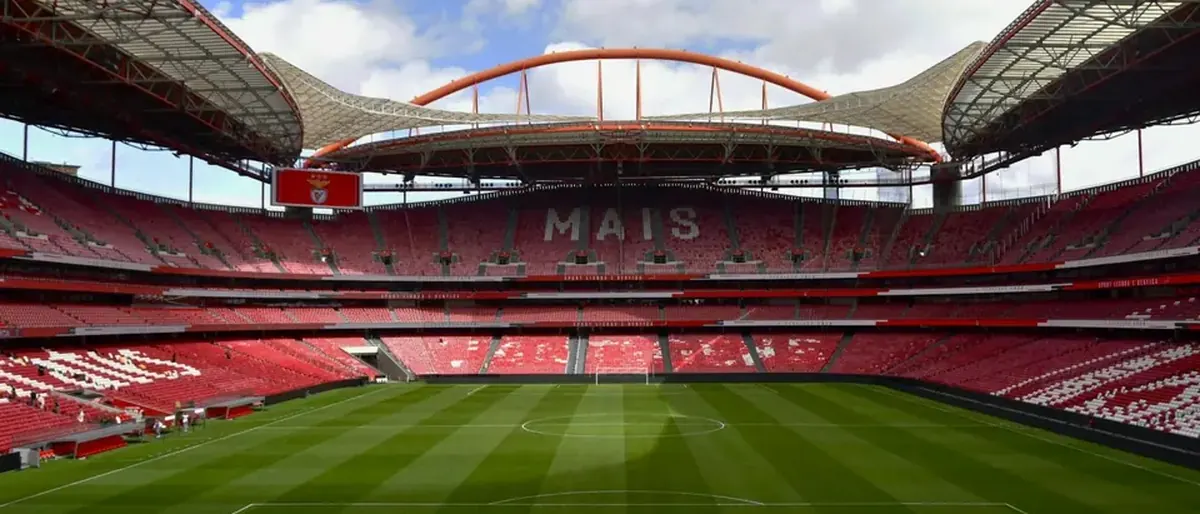
At Elland Road, the past is never truly past. It echoes in the chants that rise from the Kop, in the murals that adorn the streets of Beeston, and in the reverence shown to the giants who built this club. For Leeds United, a club defined by its dramatic peaks and crushing valleys, the memory of its legends is not merely preserved—it is actively fought for. This is a story of how a fanbase, bonded by Yorkshire grit and an unshakeable identity, ensures that the heroes of yesteryear remain a living, breathing part of the modern fight.
The Architecture of Memory: Elland Road as a Living Museum
Elland Road itself is the most tangible monument to Leeds United’s history. Every stand tells a story. The Revie Stand, named after the architect of the club’s golden era, looms over the west side of the ground, a constant reminder of the man who transformed a second-tier side into a First Division powerhouse. Don Revie’s legacy is not just about the league titles of 1968/69 and 1973/74; it is about the identity he forged—a team of relentless pressure, tactical discipline, and a certain hardness that mirrored the city itself.
Fans do not simply walk past this stand; they acknowledge it. Before every home match, there is an almost ritualistic glance toward that structure. It is a silent nod to the men who wore the white shirt under Revie: the imperious Jack Charlton, the elegant Billy Bremner, the clinical Allan Clarke. The club’s official museum and the matchday programme features rarely go a week without referencing the Revie era, but the real preservation happens organically. When the current squad, under Daniel Farke, executes a high-press that suffocates an opponent, older fans in the stands will murmur, “That’s the old way. That’s the Leeds way.” The tactical DNA of Revie’s teams—the pressing, the aggression, the refusal to yield—is the standard against which every modern iteration is measured.
The Wilkinson Renaissance: A Blueprint for Modern Survival
While Revie represents the romantic peak, Howard Wilkinson’s legacy is more pragmatic, yet equally revered. His 1991/92 First Division title was a masterclass in rebuilding. Wilkinson took a club in decline and, through astute recruitment and a ruthless mentality, delivered the last top-flight championship before the Premier League rebrand. For fans who lived through the wilderness years of the 1980s, Wilkinson is not just a manager; he is the saviour who restored pride.
The connection between Wilkinson’s methods and Farke’s current project is a frequent topic in fan discussions. Wilkinson’s teams were built on a solid defensive structure and quick transitions—principles that Farke has adapted for the modern game. When fans debate the merits of the current pressing system, they often draw parallels to the 1992 side. The question is always the same: can Farke’s tactical intelligence replicate Wilkinson’s ability to build a squad capable of sustained success in the top flight? The memory of that title run provides both a benchmark and a source of hope. It proves that Leeds can rise again, even when the odds seem stacked against them.
The New Legends: Building a Contemporary Narrative
The process of legend-making is not frozen in the 1970s or 1990s. The current squad is actively writing its own chapter, and the fans are the editors. Dominic Calvert-Lewin, a key figure in the 2025/26 Premier League campaign, has already earned a unique place in the Elland Road pantheon. His goals have been vital in a season defined by a battle for survival. The chant that greets his name is not just a celebration of his finishing; it is an acknowledgment of his leadership in a young, evolving squad.
Similarly, Brenden Aaronson has become a symbol of the club’s relentless energy. His work rate in the pressing system has made him a fan favourite, even when his end product fluctuates. The American midfielder’s contributions have come in high-stakes matches, directly helping the club earn points. Alongside him, Anton Stach and Ilya Gruev have provided the midfield balance that allows the attack to function. Gruev, in particular, has been praised for his ability to break up play and recycle possession—a quiet, essential role that the Elland Road faithful have learned to appreciate.
These players are not yet legends in the Revie or Wilkinson sense, but they are building the foundation. The fans recognize that establishing a strong presence in the Premier League is the first step toward creating a new legacy. Every tackle, every goal, every point earned is a brick in that wall.
The Yorkshire Identity: More Than a Club
Leeds United’s fan culture is inseparable from the broader Yorkshire identity. This is a region defined by its industrial heritage, its fierce independence, and its suspicion of the establishment. The club’s relationship with its supporters is not transactional; it is tribal. To be a Leeds fan is to carry a certain chip on your shoulder, a belief that the world is against you but that you will prevail anyway.
This identity is preserved through rituals that have little to do with the club’s official channels. The pre-match pint at the Old Peacock, the walk down Elland Road, the roar that greets the team as they emerge from the tunnel—these are acts of collective memory. They are the same rituals that fans performed in the 1960s, the 1990s, and today. The faces change, but the feeling remains constant.

The club’s academy, based at Thorp Arch, is another vessel for this identity. Young players are not just taught how to pass and shoot; they are taught what it means to wear the shirt. The academy’s emphasis on hard work, discipline, and resilience is a direct inheritance from the Revie and Wilkinson eras. When a homegrown talent makes his debut, the crowd does not just cheer for the player; they cheer for the continuity of the system.
The Risks of Nostalgia: Balancing Memory and Modernity
However, the preservation of the past is not without its risks. An over-reliance on nostalgia can create a toxic environment where the current team is constantly compared unfavourably to its predecessors. The “glory days” mentality can lead to unrealistic expectations, especially for a club that has spent much of the last two decades outside the top flight.
| Era | Key Figures | Philosophy | Modern Relevance |
|---|---|---|---|
| Revie (1960s-70s) | Don Revie, Billy Bremner, Jack Charlton | High press, tactical discipline, physical dominance | Direct inspiration for Farke’s pressing system |
| Wilkinson (1990s) | Howard Wilkinson, Gordon Strachan, Eric Cantona | Defensive solidity, quick transitions, squad rebuilding | Blueprint for promotion and survival strategies |
| Farke (2020s) | Daniel Farke, Dominic Calvert-Lewin, Brenden Aaronson | Modern pressing, youth development, tactical flexibility | Current attempt to create a new legacy |
The table above illustrates the challenge. Fans must honor the past without being imprisoned by it. The Revie era was a golden age, but it was also a different game. The financial disparities of the modern Premier League make it nearly impossible to replicate that dominance. The goal for the current regime is not necessarily to win the league; it is to establish a sustainable presence in the top flight. That requires a different kind of legend—one built on resilience rather than trophies.
The Chant as Archive: Oral History in the Stands
Perhaps the most powerful tool for preserving the past is the chant. Leeds fans have an extraordinary ability to weave history into their matchday soundtrack. The songs for Revie, Bremner, and Clarke are still sung, passed down from father to son. New chants are constantly being created, but they always reference the lineage. A modern chant for Calvert-Lewin might include a line about “carrying on the tradition” or “wearing the shirt like the greats.”
This oral tradition is democratic and uncurated. It cannot be controlled by the club or the media. It emerges from the terraces, from the collective memory of thousands of voices. When the Kop sings, it is not just supporting the team; it is asserting its identity. It is saying, “We were here before you, and we will be here after you. This club is ours.”
Looking Forward: The Next Chapter
As the 2025/26 season progresses, the question of how to honor the past while building for the future remains central. The club’s position in the Premier League is challenging, but the fanbase has weathered far worse. Recent seasons have forged a resilience that cannot be quantified.
The legends of the past—Revie, Wilkinson, Bremner, Charlton—are not just names in a museum. They are the standards by which every player is judged. But they are also the inspiration. When the team is struggling, when the pressure is mounting, the fans look to the stands named after their heroes and remember: this club has risen before. It can rise again.
The challenge for the current squad, under Farke, is to prove that they are worthy of that legacy. They do not need to win the league. They need to fight. They need to show the same spirit that defined the Revie era and the Wilkinson renaissance. If they do, they will earn their place in the pantheon. The fans are ready to welcome them.
For more on the culture that defines this club, explore our deep dives into Elland Road fan zones and the broader Yorkshire football fan culture. The story of Leeds United is not just about the players on the pitch; it is about the people in the stands. And as long as they are singing, the legends will never die.