

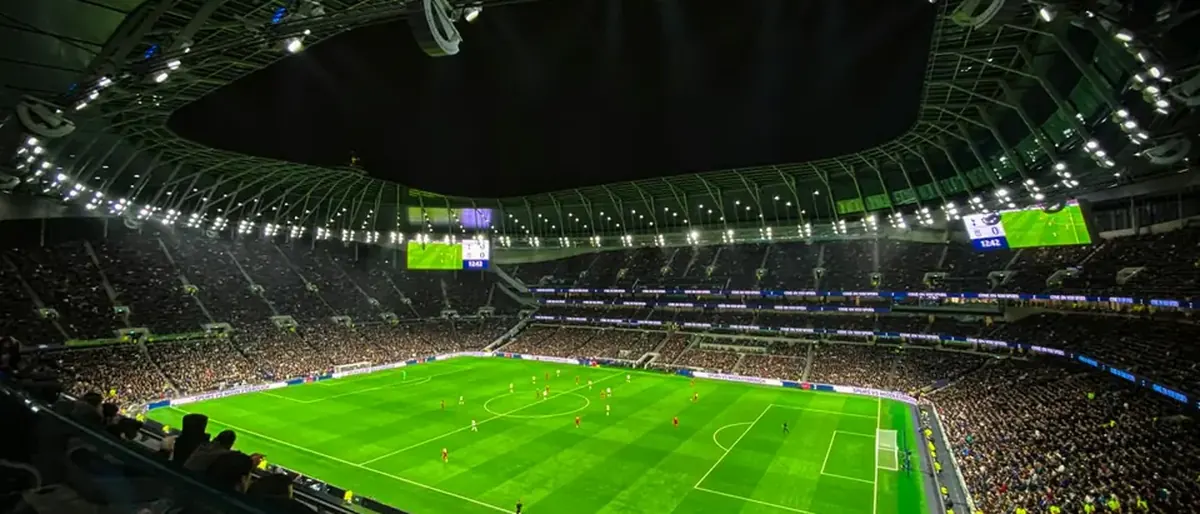
The return of Leeds United to the Premier League for the 2025/26 season has reignited a fan culture unlike any other in English football. For those who have followed the club through the depths of the Championship, the near-misses, and the eventual promotion secured under Daniel Farke, this moment feels both triumphant and precarious. The question that hangs over Elland Road is not merely about survival in the top flight, but about how the identity of a fanbase forged in the fires of Yorkshire grit and the legacy of Don Revie adapts to the modern Premier League machine. This is not a story of guaranteed success; it is a story of resilience, of a community that has learned to celebrate the small victories while eyeing the daunting challenge ahead.
The Emotional Arc of Promotion and Return
To understand the current mood among Leeds supporters, one must trace the emotional trajectory of the past five years. The Championship title in 2019/20 under Marcelo Bielsa was a euphoric high, followed by a promising first season back in the Premier League in 2020/21. Then came the painful relegation in 2022/23, a season that tested the loyalty of even the most ardent fans. The subsequent two seasons in the Championship were a crucible. The 2024/25 campaign, under Farke, was not just about winning promotion; it was about redemption. Securing promotion was a statement of intent, but it also carried the weight of expectation. Farke’s achievement of multiple promotions from the Championship has earned him a unique place in the club’s modern history, but it also places him under intense scrutiny. The fanbase, having tasted the Premier League and then lost it, is now acutely aware of the financial and competitive gap that exists.
The atmosphere at Elland Road during the final home matches of the 2024/25 season was described by many as a mix of relief and defiance. The “Marching on Together” anthem carried a new intensity, a declaration that the club would not be a yo-yo team. This emotional core is what drives the fan culture today.
The Elland Road Fortress: Atmosphere and Identity
Elland Road remains the heart of Leeds United’s fan culture. The stadium, with its distinct architecture and the famous “Kop” end, creates an intimidating environment for visiting teams. However, the return to the Premier League has brought a shift in the demographic of the crowd. While the core of loyal, local supporters remains, there is a noticeable increase in corporate hospitality and tourist fans. This has sparked a quiet debate within the community about the authenticity of the matchday experience.
| Aspect of Matchday Experience | Pre-Premier League Return (Championship 2024/25) | Post-Premier League Return (2025/26) |
|---|---|---|
| Ticket Demand | High, but accessible for loyal members | Extreme, with significant secondary market activity |
| Atmosphere Intensity | Consistently loud, especially in big games | More variable; high for top-six opponents, quieter for mid-table clashes |
| Fan Demographics | Predominantly local, multi-generational | Increased international and corporate presence |
| Pre-Match Rituals | High street pubs in Leeds city centre | More organized fan zones outside the stadium |
The challenge for the club is to balance commercial growth with preserving the unique culture that makes Elland Road special. The “Leeds, Leeds, Leeds” chant, the waving of white scarves, and the collective groan at a misplaced pass are rituals that cannot be replicated. The key is that the fanbase, while welcoming new supporters, fiercely protects its traditions. The fan culture at Elland Road is a living organism, and its health is a barometer for the club’s soul.
The Squad and the Fans: A Relationship Under Construction
The current squad, assembled by Farke, is a mix of Premier League experience and Championship grit. The fans have a complex relationship with the players. Dominic Calvert-Lewin, a key attacking figure for the club, is seen as a talisman, but his injury history means every tackle he takes is met with a collective intake of breath. Lukas Nmecha offers a different dimension in attack, but his consistency is still under scrutiny.
In midfield, Brenden Aaronson has become a fan favorite for his relentless pressing, a trait that aligns perfectly with Farke’s tactical demands. Anton Stach and Ilya Gruev provide the creative spark, but the fanbase is acutely aware that the team’s defensive record highlights a fragility. The supporters are not naive; they see the results. The league position is a precarious perch. The fans’ patience is tied directly to effort. A player who gives 100% will be forgiven a mistake; one who appears to coast will face the wrath of the terraces.
The Tactical Identity: Farke’s Pressing System and Fan Expectations
Daniel Farke’s tactical approach is built on a high-pressing system that demands immense physical output from the players. For the fans, this is both exhilarating and terrifying. When it works, it forces errors from the opposition and creates chances. When it fails, it leaves the defense exposed. The comparison with the first season after promotion in 2020/21 is inevitable. That team, under Bielsa, played a similar high-risk style but had a different personnel profile.
| Tactical Element | 2020/21 Season (Bielsa) | 2025/26 Season (Farke) |
|---|---|---|
| Pressing Intensity | Extremely high, man-for-man | High, but more zonal |
| Build-up Play | Direct, often bypassing midfield | More controlled, through midfield |
| Defensive Solidity | Vulnerable to counter-attacks | Improved structure, but still leaky |
| Fan Reaction | Adoration for Bielsa’s philosophy | Respect for Farke, but skepticism about sustainability |
The fans appreciate Farke’s record, but they are also pragmatic. They know that the Premier League is an unforgiving environment. The pressing system requires a deep squad to rotate, and the academy graduates from Thorp Arch are being watched closely. The Elland Road stadium tour experience often highlights the club’s history of developing talent, and the current fanbase is eager to see the next generation step up.
The Yorkshire Identity and Away Day Culture
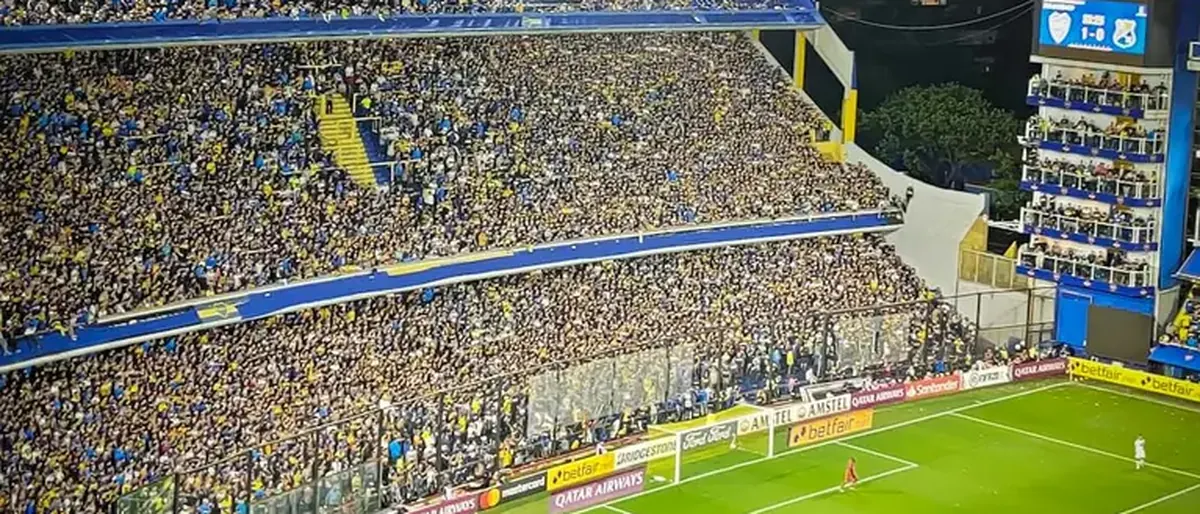
Leeds United’s fan culture is inextricably linked to its Yorkshire roots. The identity is one of defiance, hard work, and a dark humor that emerges in the face of adversity. This is most evident on away days, where the traveling support is renowned for its volume and loyalty. The Elland Road away day guide is a testament to the logistical and emotional effort required to follow the team across the country.
The return to the Premier League has brought back the big away allocations, from Old Trafford to the Emirates. For the fans, these are not just matches; they are pilgrimages. The camaraderie on the trains, the shared pints in unfamiliar pubs, and the collective roar when the team scores are the lifeblood of the culture. However, there is a growing concern about the cost. Premier League ticket prices, travel, and accommodation are a significant financial burden. The fanbase is increasingly vocal about the need for affordable access, a sentiment that echoes across the league.
Risks and Challenges Ahead
The optimism of the return is tempered by several risks that the fanbase is acutely aware of. The financial disparity between Leeds and the established Premier League clubs is vast. The need to invest in the squad in January transfer windows is a recurring topic of conversation. The fear of relegation is not just about losing status; it is about the potential financial implosion that could follow.
| Risk Factor | Current Situation (Mid-2025/26) | Potential Impact |
|---|---|---|
| Squad Depth | Thin in key positions, especially defense | Increased injury risk and fatigue |
| Manager Pressure | Farke’s record is respected, but results matter | A bad run could lead to a change in direction |
| Financial Fair Play | Tight margins after promotion | Limited ability to spend in transfer windows |
| Fan Fatigue | Emotional toll of previous relegation | Reduced patience with poor performances |
The fan culture is resilient, but it is not invincible. The memory of the 2022/23 relegation is still fresh, and the supporters are wary of a repeat. The club’s leadership must navigate these challenges with transparency and a clear vision.
Conclusion: A Culture in Transition
Leeds United’s fan culture after the Premier League return in 2025 is a study in contrasts. It is a culture that celebrates the victory of promotion while bracing for the battle of survival. It is a culture that respects the legacy of Don Revie and Howard Wilkinson while demanding progress under Daniel Farke. It is a culture that is fiercely local yet increasingly global.
The statistics of the current season are not just numbers. They are the narrative of a club fighting to stay relevant. The fans know that survival is not guaranteed. They know that every point is hard-earned. But they also know that the identity of Leeds United is not defined by the league table. It is defined by the noise at Elland Road, the passion of the away support, and the unyielding belief that the club belongs on the biggest stage.
For more insights into the heart of the club, explore the fan culture at Elland Road, or plan your visit with the Elland Road stadium tour experience and the Elland Road away day guide. The story of Leeds United is still being written, and the fans are the authors.