

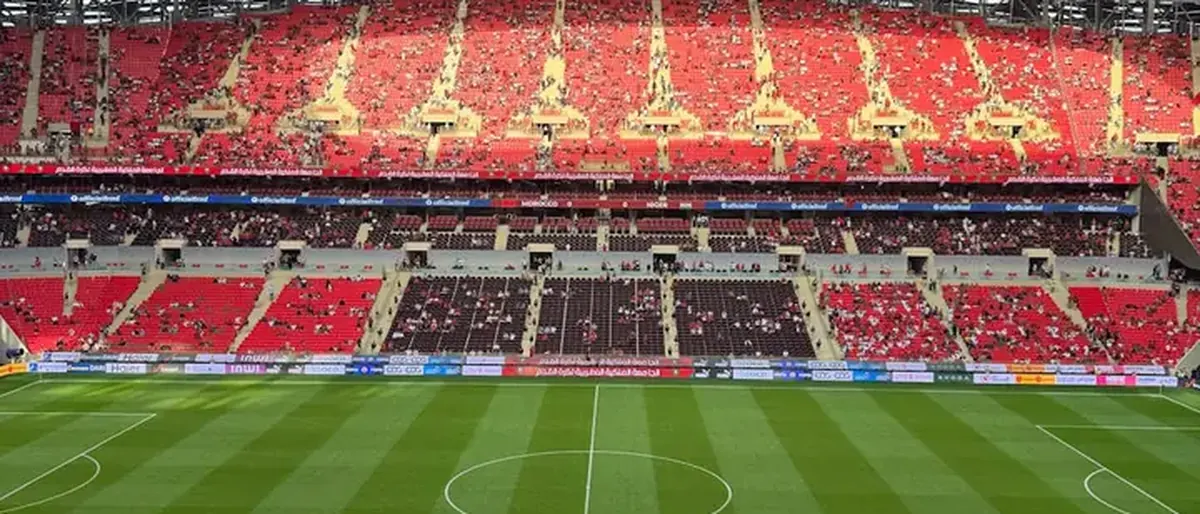
The modern football supporter rarely travels alone. While the roar of 37,000 at Elland Road remains the authentic soundtrack of Leeds United, the conversation has long since migrated to digital spaces where time zones dissolve and allegiance is measured in likes, retweets, and late-night WhatsApp notifications. For a club whose identity is forged in the industrial valleys of West Yorkshire yet whose fanbase stretches from Manchester to Melbourne, social media has become the virtual pub, the away end, and the terraced street all rolled into one. Understanding how these fan groups operate is not merely a matter of sociological curiosity; it is essential for anyone who wishes to grasp the full texture of modern Leeds United fandom.
The Ecosystem of Online Support
Leeds United fan groups on social media are not a monolith. They form a layered ecosystem that mirrors the club’s own history of division and unity. At the surface level, there are the official accounts—@LUFC on X (formerly Twitter), Instagram, and Facebook—which serve as the club’s megaphone for match announcements, transfer updates, and community initiatives. But beneath that official veneer lies a sprawling network of independent accounts, podcasts, meme pages, and supporter-led forums that collectively shape the narrative around the team.
The most influential of these are the long-standing forums such as The WACCOE Independent, which has been a cornerstone of Leeds fan culture since the early days of the internet. These platforms offer a depth of discussion that social media’s ephemeral feeds cannot replicate. Here, tactical breakdowns of Daniel Farke’s pressing system sit alongside heated debates about Dominic Calvert-Lewin’s form in the 2025/26 Premier League season. The forum’s culture prizes knowledge and longevity; a user who can recall Don Revie’s 1968/69 title-winning side commands a different kind of respect than a newcomer asking about Anton Stach’s assist numbers.
The Rise of Fan-Led Media on X and Instagram
If forums are the library, then X is the town square. The platform has birthed a generation of Leeds United content creators who blend match analysis with the immediacy of live reaction. Accounts like @LeedsUnitedHQ, @TheSquareBall, and @AllLeedsTV have amassed substantial followings by offering a mix of breaking news, statistical breakdowns, and fan polls. During the 2024/25 Championship title run, these accounts became indispensable sources of real-time updates, often breaking team news minutes before the official club account.
What distinguishes these groups is their tonal range. Some adopt the voice of the tactical analyst, dissecting Farke’s rotation policy during the gruelling Championship schedule. Others embrace the raw emotion of the terraces, posting videos of away-end celebrations at places like Stoke or Middlesbrough. The most successful accounts understand that Leeds fans crave both—the cold logic of numbers and the hot pulse of passion.
Instagram, meanwhile, has become the visual archive of modern Leeds United support. Fan pages dedicated to matchday photography, such as @LeedsUnitedPhotography and @EllandRoadAtmosphere, curate images that capture everything from the pre-match build-up at the Old Peacock pub to the choreographed tifo displays that honour the club’s First Division titles history. These accounts serve as a digital scrapbook, preserving moments that might otherwise vanish into the fog of memory.
The Role of Podcasts and YouTube Channels
The podcast boom has been particularly kind to Leeds United. Shows like The Square Ball, Leeds United: The Podcast, and The Roaring Peacock have turned fan discussion into a legitimate media genre. What sets these apart from mainstream sports broadcasting is their unapologetic subjectivity. A podcast host is not a neutral journalist; they are a supporter who has paid for a season ticket, who has felt the sting of relegation and the euphoria of promotion. This authenticity resonates deeply with an audience that has endured the club’s volatility—from the Premier League 2020/21 survival under Marcelo Bielsa to the heartbreak of 2022/23 relegation, and then the triumphant return via the Championship 2024/25 title.
YouTube channels like Leeds United Fan TV and The Leeds Press take this a step further by incorporating live match reactions. The sight of a fan in a Leeds shirt, filmed in their living room or at a pub, reacting in real time to a Calvert-Lewin goal or a Gruev tackle, creates a parasocial bond that written text cannot achieve. These channels have become a lifeline for overseas supporters who cannot attend matches but want to share the emotional rollercoaster with someone who feels it as deeply as they do.
The Global Network: How Diaspora Fans Connect
One of the most remarkable aspects of Leeds United’s social media presence is its global reach. The club’s official account boasts millions of followers, but the true extent of its international support is visible in the proliferation of regional fan groups. Accounts like @LeedsUnited_Norway, @LeedsUnited_Australia, and @LeedsUnited_USA organise watch parties, share local matchday information, and create a sense of community for fans who may never set foot in West Yorkshire.
These groups are particularly important during the 2025/26 Premier League season, when matches kick off at inconvenient hours for fans in Asia, Oceania, or the Americas. A fan in Melbourne watching a 3:00 AM kick-off can join a WhatsApp group where dozens of others are doing the same, sharing screenshots, memes, and the occasional exasperated rant about a missed chance. The digital space collapses distance, turning a solitary early-morning viewing into a shared ritual.
The Dark Side of Digital Fandom
It would be disingenuous to paint a wholly rosy picture of Leeds United fan groups on social media. The same platforms that foster community also amplify division. During periods of poor form—such as the current 2025/26 campaign, where the team sits in 15th place with a negative goal difference—the discourse can turn toxic. Calls for a manager’s head, personal attacks on players like Lukas Nmecha or Brenden Aaronson, and factional infighting between those who defend Farke’s tactics and those who demand change are commonplace.
The anonymity of social media emboldens the worst impulses. Accounts that exist solely to provoke, known as “trolls,” target both players and fellow fans. The club has attempted to mitigate this through moderation policies and campaigns promoting respectful dialogue, but the problem persists. For every thoughtful tactical breakdown of Farke’s pressing system, there is a thread of unhinged abuse directed at a young academy graduate struggling to adapt to Premier League intensity.
A Comparison of Key Fan Platforms
To understand the landscape, it helps to compare the primary platforms where Leeds United fan groups operate. Each has distinct strengths and weaknesses that shape the nature of discussion.
| Platform | Primary Strength | Typical Content | Risk |
|---|---|---|---|
| X (Twitter) | Real-time news and live match reactions | Breaking team news, fan polls, short video clips | Toxic threads during poor results |
| Visual storytelling and matchday atmosphere | Photography, tifo displays, player highlights | Superficial engagement, lack of depth | |
| Long-form discussion and event organisation | Matchday meetups, retrospective debates | Declining organic reach, older demographic | |
| Reddit (r/LeedsUnited) | In-depth tactical analysis and community moderation | Post-match threads, transfer rumours, AMAs | Echo chamber effect, over-moderation |
| WhatsApp/Telegram | Private, intimate group communication | Watch party coordination, real-time chat | Fragmentation, difficulty in moderation |
| Podcasts/YouTube | Rich audio-visual narrative and emotional connection | Match reactions, interviews, historical features | High production barrier, niche audiences |
The Future of Fan Engagement
As the 2025/26 season progresses, the role of these digital communities will only grow. The club’s fight for Premier League survival—a battle that echoes the 2020/21 campaign under Bielsa—will generate immense emotional investment, and social media will be the primary outlet for that energy. Already, we see innovative approaches emerging: fan-led fundraising for away travel, coordinated tifo displays planned through WhatsApp groups, and even amateur scouting reports on potential transfer targets shared via Reddit threads.
The challenge for both the club and its supporters is to preserve the positive aspects of this digital ecosystem while mitigating its harms. Leeds United’s Yorkshire fan culture has always been built on solidarity, resilience, and a fierce sense of identity. Those values must translate into the online world. A fan group that can celebrate a hard-fought draw against a top-six side without descending into personal abuse is a fan group that honours the spirit of Elland Road.
Leeds United fan groups on social media are not a replacement for the matchday experience at Elland Road; they are an extension of it. They allow a supporter in Tokyo to feel the same anxiety as one in Headingley when Calvert-Lewin steps up for a penalty. They preserve the memory of Howard Wilkinson’s 1991/92 title win for a generation that never saw it live. They provide a space for the tactical obsessives to debate Farke’s pressing triggers and for the emotional fans to simply scream into the void after a last-minute defeat.
The digital landscape is volatile, subject to the whims of algorithms and the shifting sands of platform popularity. But the need for connection is constant. As long as Leeds United exists, its supporters will find ways to gather, to argue, to celebrate, and to mourn together. Whether in a pub on Elland Road or a Discord server at 2:00 AM, the bond remains unbroken.
For more on the traditions that shape this fan culture, explore our deep dive into Leeds United fan traditions over decades and the unique matchday food and drink at Elland Road. To understand the broader context of the fan experience, visit our fan culture hub at Elland Road.