


For those who stood on the terraces of Elland Road during the spring of 1992, the memory is not merely a recollection of a football match—it is a sensory imprint etched into the very fabric of their being. The smell of Bovril mixed with cigarette smoke, the chill of a Yorkshire evening, and the collective roar that seemed to shake the very foundations of the stadium. The 1991/92 First Division title was not just Leeds United's third league championship; it was the culmination of a journey that began in the shadows of the Second Division and ended with Howard Wilkinson's pragmatic genius overcoming the financial might of Manchester United. For the fans who lived through those ninety minutes and the preceding nine months, the 1992 title remains the defining moment of modern Leeds United history.
The Road to Glory: From Second Division to Champions
The narrative of Leeds United's 1992 triumph cannot be understood without acknowledging the context of the late 1980s. When Howard Wilkinson arrived at Elland Road in October 1988, the club was languishing in the Second Division, a shadow of the dominant force Don Revie had built two decades earlier. Wilkinson, a former Sheffield Wednesday manager with a reputation for discipline and tactical organisation, inherited a squad lacking both confidence and direction.
The transformation was methodical rather than miraculous. Wilkinson's first full season, 1989/90, saw Leeds secure promotion back to the First Division as Second Division champions, finishing seven points clear of second-placed Sheffield United. The squad that achieved this feat was a blend of experienced campaigners and emerging talents: Gordon Strachan, signed from Manchester United for £300,000, provided midfield guile; Lee Chapman, acquired from Nottingham Forest, offered aerial prowess; and Gary Speed, a product of the Leeds academy, represented the future.
The 1990/91 season, Leeds's first back in the top flight, was a period of consolidation. They finished fourth, a respectable position that hinted at greater things to come. But few outside West Yorkshire predicted what would unfold in 1991/92. The title race was expected to be a duel between reigning champions Arsenal and the resurgent Manchester United under Alex Ferguson. Leeds, it was assumed, would compete for a UEFA Cup place at best.
The Season That Defied Expectations
What transpired over the subsequent nine months was a masterclass in consistency, resilience, and tactical adaptability. Leeds United lost only four league matches all season—a remarkable statistic in an era when the First Division was far more competitive than the modern Premier League's top-heavy structure. The defence, marshalled by Chris Fairclough and David Wetherall, conceded just 38 goals in 42 matches, the second-best defensive record in the division.
The attacking output was more modest but equally effective. Lee Chapman scored 16 league goals, while Gary Speed contributed 11 from midfield. Gordon Strachan, at 35 years old, delivered seven goals and countless assists, his experience proving invaluable in tight matches. The midfield trio of Strachan, Speed, and David Batty—the latter a combative presence who would later represent England—provided the perfect balance of creativity, energy, and defensive cover.
The defining moment of the season arrived on 26 April 1992, when Leeds travelled to Bramall Lane to face Sheffield United. A victory would secure the title with a game to spare, provided Manchester United failed to win at Liverpool the following day. The match itself was tense, nervy, and ultimately decided by a single goal: Lee Chapman's header from a Gordon Strachan free-kick in the 64th minute. The 1,500 Leeds fans in attendance erupted, but the title was not yet confirmed.
The following evening, Liverpool defeated Manchester United 2-0 at Anfield, a result that sent the title to Elland Road. The scenes of celebration in Leeds were unprecedented: thousands of fans gathered outside the town hall, cars honked horns through the night, and the city glowed with a pride that had been dormant for nearly two decades.
The Elland Road Atmosphere: A Fortress Reborn
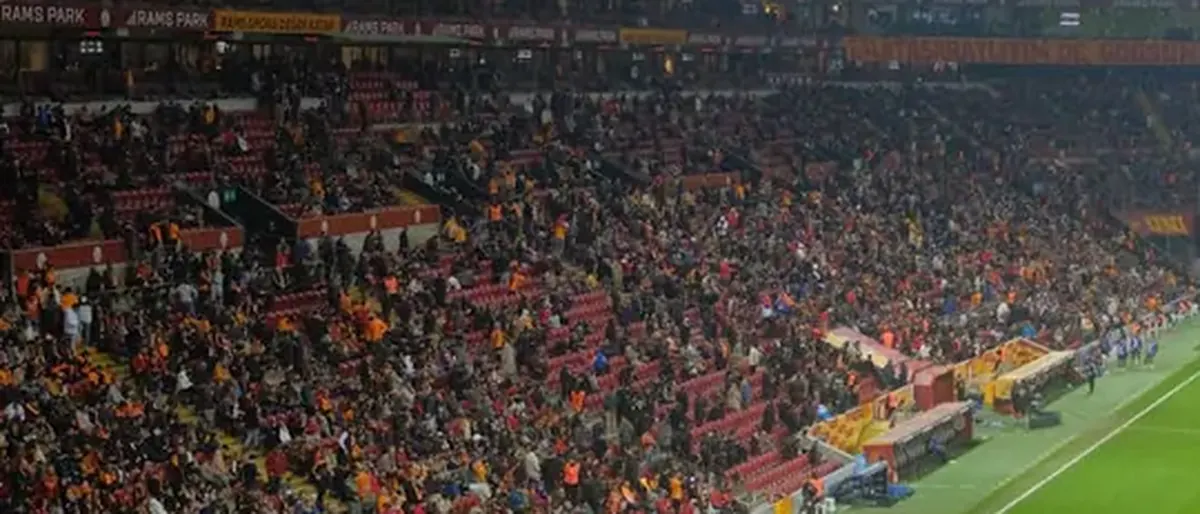
Elland Road during the 1991/92 season was not merely a stadium; it was a fortress. Leeds lost only three home matches all season, and two of those defeats came against Liverpool and Arsenal—teams that would finish second and fourth respectively. The atmosphere, particularly during the run-in, was described by visiting players as intimidating, claustrophobic, and relentlessly supportive.
The Kop, the traditional home of Leeds's most passionate supporters, became a cauldron of noise. Songs from the terraces—"We Are the Champions," "Marching on Together," and the timeless "Leeds, Leeds, Leeds"—echoed through the stands. For those who were there, the memory of the 3-1 victory over Manchester United in November 1991 remains particularly vivid. Lee Chapman scored twice, and the Elland Road crowd celebrated each goal with a ferocity that seemed to shake the ground.
The connection between the players and the supporters was palpable. Wilkinson had cultivated a culture of mutual respect and shared ambition. The fans understood that this team, while not the most talented in the league, possessed a collective spirit that money could not buy. They recognised that Gordon Strachan's leadership, Gary Speed's energy, and David Batty's tenacity were not just attributes but embodiments of Yorkshire grit.
The Tactical Blueprint: Wilkinson's Pragmatic Genius
Howard Wilkinson's tactical approach was often described as pragmatic, but this label undersells the sophistication of his system. Wilkinson favoured a 4-4-2 formation that emphasised defensive solidity, quick transitions, and set-piece efficiency. The full-backs, Tony Dorigo and Mel Sterland, were encouraged to overlap, providing width in attack. The central midfield pairing of Batty and Strachan combined defensive discipline with creative freedom.
The attacking strategy revolved around Lee Chapman's aerial dominance. Wilkinson recognised that crossing from wide positions, particularly from the right flank where Sterland and Gary Speed operated, could exploit Chapman's heading ability. This approach was not aesthetically pleasing by modern standards, but it was ruthlessly effective. Leeds scored 72 league goals, the third-highest total in the division, and many of those came from crosses and set pieces.
Comparatively, Wilkinson's system shared similarities with Don Revie's 1960s and 1970s teams, which also prioritised organisation, discipline, and set-piece efficiency. However, where Revie's teams were known for their flair and attacking verve, Wilkinson's side was more conservative, content to absorb pressure and strike on the counter-attack. This pragmatism was born of necessity: Leeds did not have the financial resources of Manchester United or Arsenal, so they had to maximise what they had.
The Legacy: 1992 and Its Enduring Meaning
The 1992 title was Leeds United's last league championship. The following season, the club finished 17th, narrowly avoiding relegation, and the subsequent years were marked by financial instability, managerial changes, and eventual decline. The Premier League era, which began in 1992/93, brought new challenges that Leeds struggled to meet. The club's last major trophy before the 1992 title was the 1974 First Division championship, and the subsequent decades have been defined by a yearning for that golden era.
For the fans who witnessed the 1992 triumph, the memory serves as both a source of pride and a reminder of what was lost. The title was not merely a football achievement; it was a validation of Yorkshire identity, a statement that a club from the industrial north could compete with the financial powerhouses of the south. It was a testament to Howard Wilkinson's managerial acumen, Gordon Strachan's leadership, and the unwavering support of the Elland Road faithful.
The legacy of 1992 extends beyond the trophy itself. It inspired a generation of young Leeds supporters who would go on to become the club's most passionate advocates. It demonstrated that success could be achieved through collective effort rather than individual brilliance. And it established a benchmark against which all subsequent Leeds teams have been measured.
The Modern Context: 1992 and the 2025/26 Season
As Leeds United navigates the 2025/26 Premier League season under Daniel Farke, the shadow of 1992 looms large. The current squad, featuring Dominic Calvert-Lewin, Brenden Aaronson, Anton Stach, and Ilya Gruev, is fighting for survival in the top flight, currently occupying 15th position with a negative goal difference. The contrast between the pragmatic efficiency of Wilkinson's team and Farke's pressing system is stark.
Yet there are parallels. Both managers inherited squads in transition. Both emphasised collective responsibility over individual flair. Both understood the importance of Elland Road as a fortress. The current team's struggles—seven wins, twelve draws, and twelve defeats—reflect the challenges of competing in a league dominated by financial superclubs.
The fan culture that defined 1992 remains alive at Elland Road. The Yorkshire derby atmosphere, the passionate support, and the unwavering loyalty are all continuities that connect the present to the past. For a deeper exploration of this culture, visit our fan culture section. For predictions on the current season's survival chances, see our survival predictions polls. And for the unique atmosphere of Yorkshire derbies, read our Yorkshire derby atmosphere analysis.
Conclusion: The Memory That Endures
The 1992 title was not just a football achievement; it was a cultural moment that defined a generation of Leeds United supporters. It was the culmination of Howard Wilkinson's methodical rebuild, the triumph of collective effort over individual brilliance, and the validation of Yorkshire identity in an era of southern dominance.
For those who were there—standing on the Kop, singing "Marching on Together," watching Lee Chapman head home the winner at Bramall Lane—the memory is indelible. It is a reminder that football, at its best, is not about money or status but about community, identity, and the shared experience of triumph against the odds.
As the current team fights for survival in the Premier League, the spirit of 1992 endures. It lives in the songs of the Elland Road faithful, in the memories of those who witnessed the glory, and in the hope that one day, Leeds United will again stand atop English football. Until then, the 1992 title remains the benchmark, the touchstone, and the eternal flame that guides the club forward.