

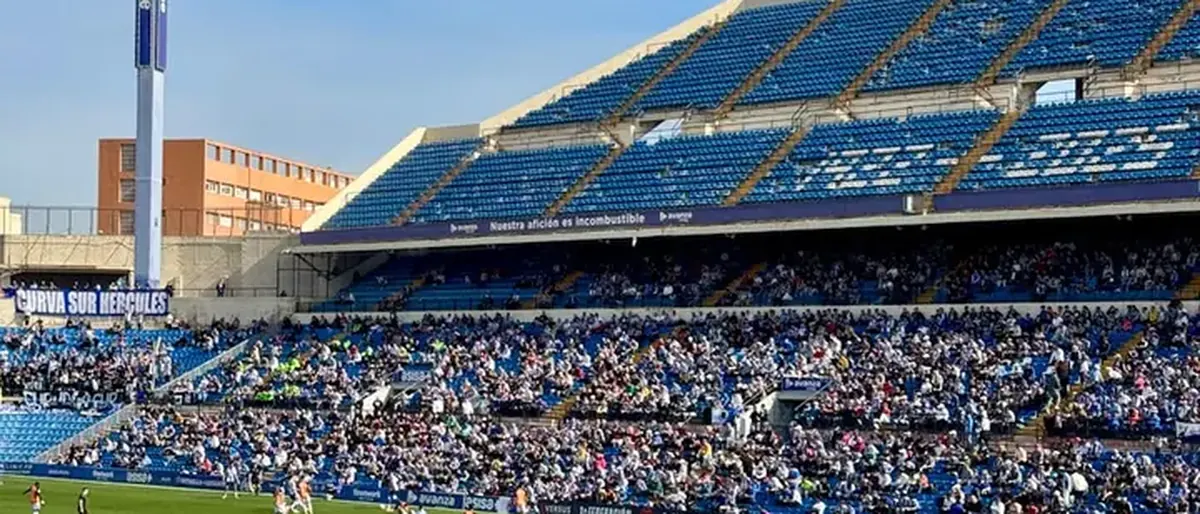
The opening of the 2025/26 Premier League season at Elland Road is not merely a football match; it is a reaffirmation of identity. For the supporters of Leeds United, the ritual of gathering in the stands, the singing of "Marching on Together," and the shared anxiety over a defensive set-piece are all threads in a dense cultural fabric woven over a century. This is not a fanbase that emerged from the era of satellite television and corporate hospitality. It is a community forged in the mills, mines, and engineering shops of West Yorkshire, where the club’s fortunes have always mirrored the resilience of its people. Understanding Leeds United is impossible without understanding the traditions that define its matchday—traditions that are as much about place as they are about sport.
The Elland Road Roar: An Acoustic History
Elland Road is not the largest stadium in the Premier League, yet its reputation for generating a caustic, intimidating atmosphere is legendary. This is not accidental. The stadium’s architecture, with its steep stands and the iconic Lowfields Road end, was designed to trap sound. When the team is pressing high under Daniel Farke’s system, the noise from the Kop—the largest single-tier stand in the country when it was built—creates a wall of sound that has unnerved opponents for decades.
The tradition of the "Leeds Roar" is a specific cultural artifact. It is not a continuous chant but a sudden, collective explosion of noise, often triggered by a heavy tackle or a near-miss. This practice dates back to the Don Revie era of the late 1960s and early 1970s, when the team’s physical, relentless style demanded a vocal response from the terraces. Today, that roar serves a tactical purpose. In the 2025/26 season, when Leeds are defending a narrow lead, the crowd’s energy directly correlates to the team’s ability to sustain a press. The connection between the stands and the pitch is a feedback loop; the players feed on the noise, and the noise rises in response to the effort.
"Marching on Together": The Anthem of a County
Few club anthems are as deeply embedded in regional identity as "Marching on Together." Written in 1972 by Les Reed and Barry Mason, the song was initially a commercial venture but was quickly adopted by the Leeds faithful. Unlike the generic stadium pop played at many modern grounds, "Marching on Together" is a hymn to place. The lyrics—"We are Leeds, we are Leeds, we are Leeds"—are a declaration of belonging to a city often overlooked by the English establishment.
The song is performed with a specific choreography. Before kick-off, the entire stadium sways in unison, arms raised, creating a visual wave of white. This is not a spontaneous display; it is a tradition passed down through generations. For the 2024/25 Championship title-winning campaign, the rendition of the anthem before the final home game against Southampton was described by local journalists as "cathartic," marking the end of a two-year exile from the top flight. The song is also a bridge between eras. It was sung during the Revie years, the Howard Wilkinson title win of 1992, and the recent return to the Premier League under Farke. It is the constant in a history of dramatic highs and lows.
The Yorkshire Derby: A Rivalry of Place
The rivalry with Manchester United is often framed as the "Roses" conflict, but the deeper, more visceral animosity is reserved for the Yorkshire derbies, particularly against Sheffield Wednesday and Huddersfield Town. These matches are not just about league points; they are about local supremacy and the social geography of the county.
The atmosphere at a Yorkshire derby is distinct from a typical Premier League fixture. The chants are more personal, the tackles are heavier, and the tension is palpable from the moment the team buses arrive. For the 2025/26 season, the home fixture against Sheffield Wednesday is expected to be one of the most volatile of the campaign. The tradition of the "Yorkshire salute"—a gesture of defiance exchanged between rival fans—is a ritual that predates the Premier League era. These matches are a reminder that for Leeds supporters, football is a proxy for broader cultural and economic rivalries that have existed for centuries. The history of the region, with its industrial decline and resurgence, is played out in the stands.
The Elland Road Flag Culture
A less discussed but equally significant tradition is the display of flags and banners at Elland Road. Unlike the choreographed tifo displays of continental Europe, Leeds flag culture is organic and often political. Banners referencing the club’s working-class roots, its history of financial mismanagement, and its defiance of the footballing elite are common.

During the 2025/26 season, a banner depicting the "Leeds Salute"—a clenched fist—has become a fixture in the Kop. This is a direct reference to the club’s history of fan activism, particularly during the 1980s when supporters organized to save the club from administration. The flag culture also extends to the away end. Leeds fans are known for traveling in large numbers and displaying banners that mock the perceived arrogance of rival clubs. This tradition is a form of cultural resistance, a way for a fanbase that feels historically marginalized to assert its identity on a national stage.
The Post-Match Ritual: The "Leeds Salute" and the Walk to the Station
The matchday experience does not end with the final whistle. For away supporters, the tradition of the "Leeds Salute" is a rite of passage. After a victory, the players often walk to the away end to acknowledge the traveling support, who respond with a synchronized, raised-fist salute. This gesture, which originated in the 1970s, is a symbol of solidarity between the team and its most loyal followers.
For home supporters, the post-match ritual is the walk from Elland Road to Leeds City Station. This journey, which takes approximately 30 minutes, is a procession of white shirts, scarves, and songs. It is a time for analysis, celebration, or commiseration. The pubs along the route—the Old Peacock, the Drysalters—are packed with fans dissecting the performance. This tradition is particularly important during the 2025/26 Premier League campaign, as the club fights for survival. The walk is a public display of commitment, a statement that the support will not waver regardless of the result.
The Role of the Academy in Fan Identity
Leeds United’s fan traditions are not solely about matchday rituals; they are also about a deep connection to the club’s youth academy. The Thorp Arch academy is more than a training facility; it is a symbol of the club’s commitment to developing local talent. For supporters, seeing a homegrown player like a product of the academy break into the first team is a source of immense pride.
This tradition has deep roots. The Revie era was built on a core of local players—Billy Bremner, Norman Hunter, Paul Reaney—who embodied the values of the city. Today, the academy’s output is a key part of the fan narrative. When a young player makes his debut, the crowd’s reaction is noticeably warmer than for a high-profile signing. This is because the academy player represents continuity, a link to the past. In the 2025/26 season, the emergence of a local talent in the first team has been a recurring theme in fan debates, reflecting a broader desire to see the club’s identity preserved in an era of globalized football.
A Tradition of Resilience
The traditions of Leeds United fans are not static; they evolve in response to the club’s fortunes. The 2022/23 relegation, the Championship title win in 2024/25, and the return to the Premier League have all shaped the current culture. The "Leeds Salute" and the singing of "Marching on Together" are not just nostalgic acts; they are acts of defiance against a footballing system that often favors the wealthy.
As the 2025/26 season progresses, these traditions will be tested. The fight for survival in the Premier League is a familiar one for this fanbase. But the rituals remain. The roar will still be heard, the flags will still fly, and the walk to the station will still be a pilgrimage. For Leeds United supporters, the club is not just a team; it is a repository of Yorkshire culture, a living history that demands to be protected and passed on.