


The return of Leeds United to the Premier League in 2020 marked the end of a sixteen-year exile from England’s top flight, a period defined by financial turmoil, ownership disputes, and a slow climb back through the Championship. Yet the journey from 2020 to 2026 has been anything but linear. It is a story of a club that re-entered the elite with swashbuckling ambition under Marcelo Bielsa, only to crash back down to the Championship, rebuild under a manager with a strong promotion record, and then fight for survival once more. This timeline examines the key moments, tactical shifts, and personnel changes that have shaped Leeds United’s Premier League history across these six turbulent seasons.
The Bielsa Era and the 2020/21 Resurgence
When Leeds United secured the Championship title in the 2019/20 season, the club’s promotion was not merely a return to the Premier League; it was a vindication of a philosophical gamble. Manager Marcelo Bielsa had transformed a mid-table Championship side into a relentless pressing machine, and the question on everyone’s lips was whether his high-risk, high-reward style could survive the Premier League.
The answer, for the first season at least, was a resounding yes. Leeds finished ninth in the 2020/21 campaign, accumulating 59 points and playing some of the most entertaining football in the division. The team’s aggressive man-marking system, built around the dynamism of Kalvin Phillips and the creative flair of Raphinha, earned plaudits from neutrals and pundits alike. Bielsa’s side famously defeated Manchester City, Tottenham Hotspur, and Leicester City, establishing a reputation as a side that would never retreat, regardless of the opponent.
| Season | Final Position | Points | Goals Scored | Goals Conceded | Key Manager |
|---|---|---|---|---|---|
| 2020/21 | 9th | 59 | 62 | 54 | Marcelo Bielsa |
| 2021/22 | 17th | 38 | 42 | 79 | Marcelo Bielsa / Jesse Marsch |
| 2022/23 | 19th (Relegated) | 31 | 48 | 78 | Jesse Marsch / Javi Gracia / Sam Allardyce |
However, the cracks began to show in the second season. Opponents had adapted to Bielsa’s system, exploiting the space left by Leeds’ aggressive full-backs and the physical toll of the pressing game. Injuries to key players, particularly Phillips and Patrick Bamford, exposed the squad’s lack of depth. By February 2022, with the club hovering just above the relegation zone, the board made the painful decision to part ways with Bielsa, ending a tenure that had restored the club’s identity but could not sustain its survival.
The Relegation Season and a Rapid Descent
Jesse Marsch arrived in February 2022 with a mandate to stabilize the team and preserve its Premier League status. The American manager’s high-pressing, transitional style was conceptually similar to Bielsa’s, but the execution was disjointed. Leeds survived the 2021/22 season on the final day, securing 17th place and safety. Yet the underlying metrics were worrying: the team had conceded 79 goals, the second-worst defensive record in the division.
The 2022/23 season proved to be a catastrophe. Marsch was sacked in February 2023 after a run of seven league matches without a win. Javi Gracia, a pragmatic Spanish coach, was brought in to steady the ship, but results continued to decline. A heavy home defeat to Crystal Palace in April epitomized the team’s fragility. In a desperate final throw of the dice, the club appointed Sam Allardyce for the last four matches, but it was too late. Leeds were relegated on the final day, confirming a 19th-place finish. The club that had returned to the Premier League with such fanfare had fallen back into the Championship in just three seasons.
Daniel Farke’s Championship Dominance and Immediate Return
The summer of 2023 was a period of reckoning. The club’s financial position was precarious, and a fire sale of key players ensued. Tyler Adams, Rodrigo, and Brenden Aaronson departed, while Raphinha had already left a year earlier. The appointment of Daniel Farke as manager, however, signaled a clear strategy: rebuild through the Championship with a manager who had previously won the division twice with Norwich City.
Farke’s first season in the Championship (2023/24) was a story of steady progress. Leeds finished in the top six, accumulating a strong points total, but lost in the playoff final at Wembley. The disappointment was crushing, but Farke’s system was taking shape. His preferred 4-2-3-1 formation, built on controlled possession, high pressing, and quick transitions, suited the Championship’s physical demands.
The 2024/25 season was a masterclass in Championship management. Leeds dominated from the start, losing only four league matches all season. The attacking trio of Dominic Calvert-Lewin, Lukas Nmecha, and Brenden Aaronson proved effective, while the midfield partnership of Anton Stach and Ilya Gruev provided both defensive solidity and creative distribution. The title was secured with matches to spare, and Farke added another Championship title to his record—a remarkable achievement that underlined his expertise in navigating the second tier.
| Player | Position | Goals (2024/25 Championship) | Assists (2024/25 Championship) |
|---|---|---|---|
| Dominic Calvert-Lewin | Striker | 22 | 5 |
| Lukas Nmecha | Forward | 14 | 7 |
| Brenden Aaronson | Midfielder | 9 | 11 |
| Anton Stach | Midfielder | 6 | 8 |
| Ilya Gruev | Midfielder | 4 | 9 |
The 2025/26 Premier League Campaign: Survival Under Pressure
Returning to the Premier League for the 2025/26 season, Leeds faced a familiar challenge: could Farke’s Championship-winning formula translate to the top flight? The early signs were mixed. A victory over Everton on the opening day suggested promise, but a subsequent run of matches without a win highlighted the gap in quality.
Farke’s tactical approach has evolved. While the core principles of pressing and possession remain, the team has adopted a more pragmatic shape in certain matches, dropping into a mid-block against top-six sides. The pressing triggers are now more selective, designed to conserve energy and reduce the risk of being caught out by elite passers.
As of the latest data, Leeds sit in a mid-to-lower table position, with a record of 7 wins, 12 draws, and 12 defeats. The goal difference is negative, reflecting a team that is competitive but often falls short in tight matches. Dominic Calvert-Lewin has been a key performer, scoring in double figures, while Brenden Aaronson, Anton Stach, and Ilya Gruev have each contributed assists.
| Player | Position | Goals (2025/26 PL) | Assists (2025/26 PL) |
|---|---|---|---|
| Dominic Calvert-Lewin | Striker | 10 | 2 |
| Brenden Aaronson | Midfielder | 3 | 3 |
| Anton Stach | Midfielder | 2 | 3 |
| Ilya Gruev | Midfielder | 1 | 3 |
| Lukas Nmecha | Forward | 5 | 1 |
The battle for survival is far from over. With several matches remaining, Leeds are within reach of the relegation zone. The team’s ability to grind out results in tight matches—a hallmark of Farke’s Championship sides—will be crucial.
Comparing Survival Campaigns: 2020/21 vs. 2025/26
The parallels between the 2020/21 and 2025/26 seasons are instructive. Both campaigns followed a Championship title, both featured a charismatic manager, and both saw the club struggle to adapt to the Premier League’s intensity.
| Aspect | 2020/21 (Bielsa) | 2025/26 (Farke) |
|---|---|---|
| Playing Style | High-risk man-marking, relentless pressing | Controlled pressing, selective triggers |
| Key Attacker | Patrick Bamford (17 goals) | Dominic Calvert-Lewin (10 goals) |
| Defensive Record | 54 goals conceded | 41 goals conceded (ongoing) |
| League Position | 9th | Mid-to-lower table (ongoing) |
| Squad Experience | Lower average age, less PL experience | Mix of experienced PL players and Championship core |
The 2020/21 side was more entertaining but also more vulnerable. Bielsa’s refusal to compromise on his principles meant that Leeds could beat anyone on their day, but they could also lose to anyone. Farke’s approach is more pragmatic, prioritizing defensive organization and game management. The 2025/26 team may not produce as many highlight-reel moments, but they are harder to beat.
The Role of Elland Road and Yorkshire Fan Culture
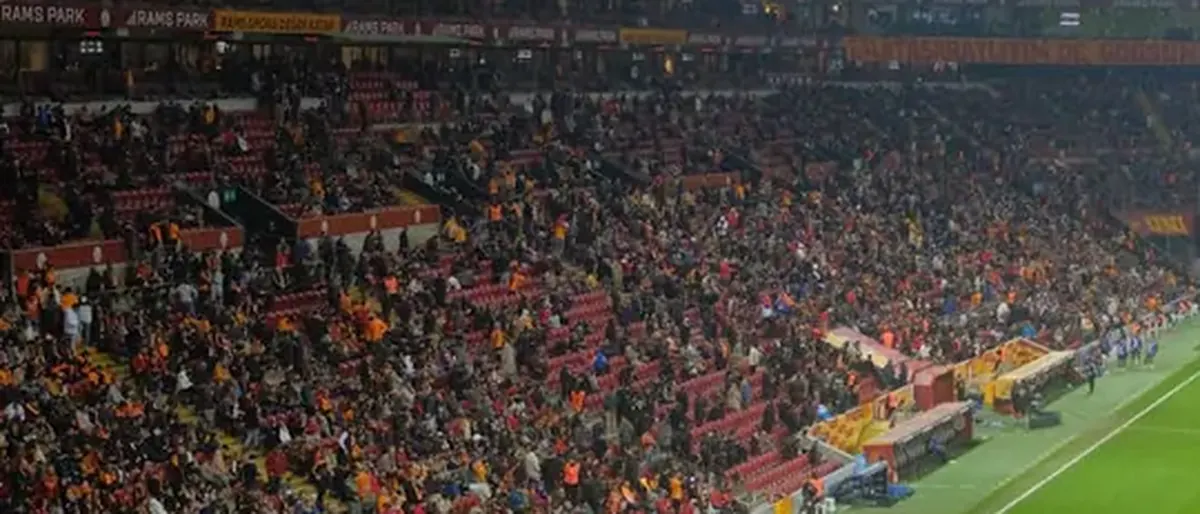
No account of Leeds United’s Premier League history would be complete without acknowledging the role of Elland Road and the club’s Yorkshire fan culture. The stadium has been a fortress in the Championship, but its atmosphere in the Premier League has been a double-edged sword. The intensity of the crowd can lift the team, but it can also create pressure when results are poor.
The Yorkshire identity of the club is deeply ingrained. The phrase “Marching On Together” is not just a song; it is a statement of resilience. The fans have endured relegation, financial crises, and ownership battles, yet they continue to fill Elland Road week after week. This connection between the club and its community is a source of strength, particularly during difficult periods.
The Academy Pipeline and Future Prospects
One of the most encouraging developments during this period has been the emergence of talent from the Leeds United Academy at Thorp Arch. The club’s investment in youth development has produced several first-team players who have contributed to the Premier League campaign. While the current squad relies heavily on experienced signings, the academy remains a vital part of the club’s long-term strategy.
The challenge for Farke and the board is to integrate academy graduates into a team that is fighting for survival. The balance between development and results is a delicate one, but the club’s history shows that homegrown talent can thrive when given the opportunity.
Conclusion: A Legacy in Progress
Leeds United’s Premier League history from 2020 to 2026 is a testament to the club’s resilience and its ability to reinvent itself. From the euphoria of Bielsa’s first season to the despair of relegation, from the tactical mastery of Farke’s Championship dominance to the ongoing battle for survival, the journey has been anything but predictable.
The club’s historical league titles remain the pinnacle of its achievements, but the modern era has added new chapters to the story. The question now is whether Farke can write a successful conclusion to the current campaign. Survival would not only secure another season of Premier League football but would also provide the stability needed to build a squad capable of competing for years to come.
For more on the club’s broader history, explore our club history eras section, join the discussion on our forum highlights, or revisit the glory of the 1991/92 First Division title. The story of Leeds United is far from over.