

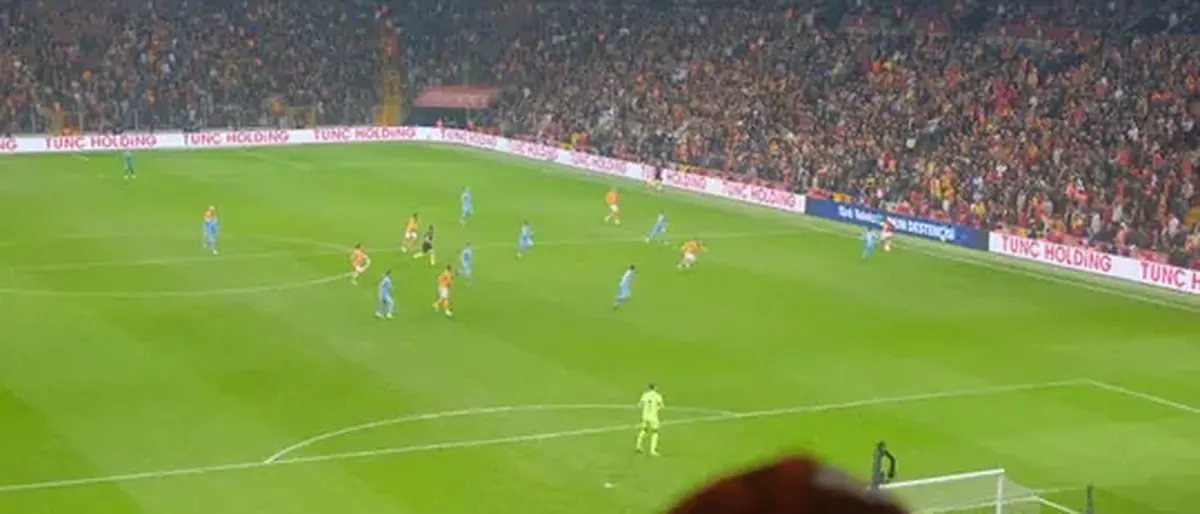
When Daniel Farke’s Leeds United stepped onto the pitch in August 2025, the tactical blueprint was already etched into the Elland Road turf. The central midfield trio of Brenden Aaronson, Anton Stach, and Ilya Gruev had become the engine room of a side competing in England’s top flight. By mid-season, with Leeds sitting mid-table, the numbers told a story of resilience. But beneath the surface, a more nuanced narrative emerged: a midfield rotation system that, when executed correctly, turned a squad into a side capable of frustrating even established Premier League outfits.
This checklist breaks down how Farke’s trio operates, what each player brings, and how you can spot the patterns that define Leeds’ control in the centre of the park.
Why Midfield Rotation Matters Under Farke
Farke’s system relies on positional fluidity to create overloads and disrupt defensive structures. Unlike rigid 4-2-3-1 or 4-3-3 setups, Leeds’ midfield rotates constantly, with Aaronson, Stach, and Gruev swapping roles depending on the phase of play. This isn’t accidental: it’s a deliberate attempt to mimic the rotational principles Farke honed at Norwich City, adapted for a squad that blends top-flight experience with Championship grit.
The core principle is simple: one midfielder drops deep to receive from the centre-backs, one pushes into the half-spaces to link with the forwards, and one shuttles horizontally to cover transitions. But the execution—and the individual profiles—makes it work.
Step 1: Identify the Roles—Who Does What?
Before rotation can happen, each player must understand their base responsibilities. Here’s the breakdown:
| Player | Primary Role | Key Attribute | Typical Movement |
|---|---|---|---|
| Brenden Aaronson | Advanced playmaker / press trigger | High energy, quick decision-making | Drops into left half-space, drifts wide to combine with wingers |
| Anton Stach | Box-to-box / ball carrier | Physicality, progressive passing | Shuttles between boxes, picks up second balls |
| Ilya Gruev | Deep-lying pivot / defensive screen | Tactical discipline, short passing | Sits in front of centre-backs, covers full-back overlaps |
Aaronson, with his relentless pressing and ability to receive between the lines, often starts higher. Stach provides the athletic bridge between defence and attack, while Gruev acts as the safety net. But watch closely: within ten minutes of any match, these roles blur.
Step 2: Watch the First Phase—Gruev’s Drop
When Leeds build from the back, Gruev is the first to drop. He positions himself between the centre-backs, creating a temporary back three. This allows the full-backs to push high.
What to look for: Gruev receives the ball under pressure, then immediately looks for Aaronson or Stach in the half-spaces. If the opposition presses him, he plays a simple pass to a centre-back and rotates into space behind the press. This is the foundation of Farke’s pressing philosophy: inviting pressure to create gaps.
Step 3: The Stach Shuttle—Second-Phase Control
Once the ball reaches the middle third, Stach becomes the primary ball carrier. Unlike Gruev, who prefers short passes, Stach drives forward with the ball, drawing defenders out of shape. His physicality allows him to hold off challenges while scanning for runners.
Checklist for spotting Stach’s influence:
- Does he receive the ball on the half-turn? If yes, he’s looking to break lines.
- Is he making diagonal runs from deep? This drags a central midfielder out of position, freeing space for Aaronson.
- Does he link with the wide players? Stach often combines with wingers on the left, creating a 3v2 overload.
Step 4: Aaronson’s Freedom—The Creative Hub
Aaronson is the most unpredictable element. He roams across the attacking third, often dropping into the “pocket” between the opposition’s midfield and defence. His contributions in the final third underscore his role as a creator, but his off-ball movement is more telling.
Key patterns:
- When Leeds have possession in the final third, Aaronson drifts into the left channel, dragging a defensive midfielder with him. This opens space for Stach to arrive late.
- In transition, he presses the opposition’s deepest midfielder, forcing errors that lead to quick counter-attacks.
- He rarely stays in one zone for more than five seconds—a rotational nightmare for man-marking systems.
Step 5: The Rotation in Action—A Typical Sequence
Imagine Leeds winning the ball in their own half. Here’s how the trio executes:
- Gruev drops to receive from the centre-back, drawing a forward press.
- He plays a quick pass to Stach, who has drifted into the right half-space.
- Stach drives forward, attracting a second defender. Aaronson immediately moves into the space Stach just vacated.
- Stach lays the ball off to Aaronson, who now has time and space to pick a pass to the forwards.
Step 6: Defensive Transitions—The Gruev-Stach Shield
Defensively, the rotation reverses. Gruev holds his position in front of the centre-backs, while Stach and Aaronson press in a coordinated fashion. Aaronson’s energy is crucial here: he leads the press, forcing the opposition into predictable passes.
Common defensive rotation:
- Aaronson presses the centre-back, angling his run to force a pass to the full-back.
- Stach slides across to cover the full-back, while Gruev drops into the space vacated by Stach.
- If the ball goes central, Gruev steps up to intercept, while Stach recovers into a deeper position.
Step 7: When It Breaks Down—Common Issues
No system is perfect. Leeds’ midfield rotation has vulnerabilities:
| Issue | Cause | Consequence |
|---|---|---|
| Gruev isolated | Full-backs push too high | Opposition winger gets 1v1 with centre-back |
| Stach caught upfield | Poor timing of rotation | Gap between midfield and defence exposed |
| Aaronson too advanced | Lack of tracking back | Midfield outnumbered in transition |
Farke often adjusts by instructing Aaronson to drop deeper in the second half, or by bringing on a more defensive midfielder to shore up the pivot. The trio’s success depends on reading the game’s flow.
Step 8: How to Analyse Midfield Rotation in Real Time
For the discerning fan at Elland Road or watching on television, here’s a quick checklist:
- Watch the first five minutes: Which midfielder drops deepest? That’s the pivot for the match.
- Track Aaronson’s starting position: If he starts wide, expect Stach to push into the centre.
- Count the passes: Gruev typically completes most of his passes, but Stach’s progressive passes are the key metric.
- Observe transitions: When Leeds lose the ball, does Gruev immediately drop into the defensive line? If yes, the rotation is working.
Conclusion: The Trio’s Role in the Fight
As of March 2026, Leeds’ league position is built on a foundation of midfield control. Aaronson, Stach, and Gruev may not grab headlines like the forwards, but their rotation system is the reason Leeds can compete in the Premier League. It’s a system that requires trust, intelligence, and relentless work rate—qualities Farke has cultivated since his Championship days.
For more on how Farke’s tactics translate to set pieces and pressing, explore our analysis of set-piece tactics and the full pressing philosophy. The midfield trio is just one piece of a larger puzzle—but it’s the piece that makes everything else possible.