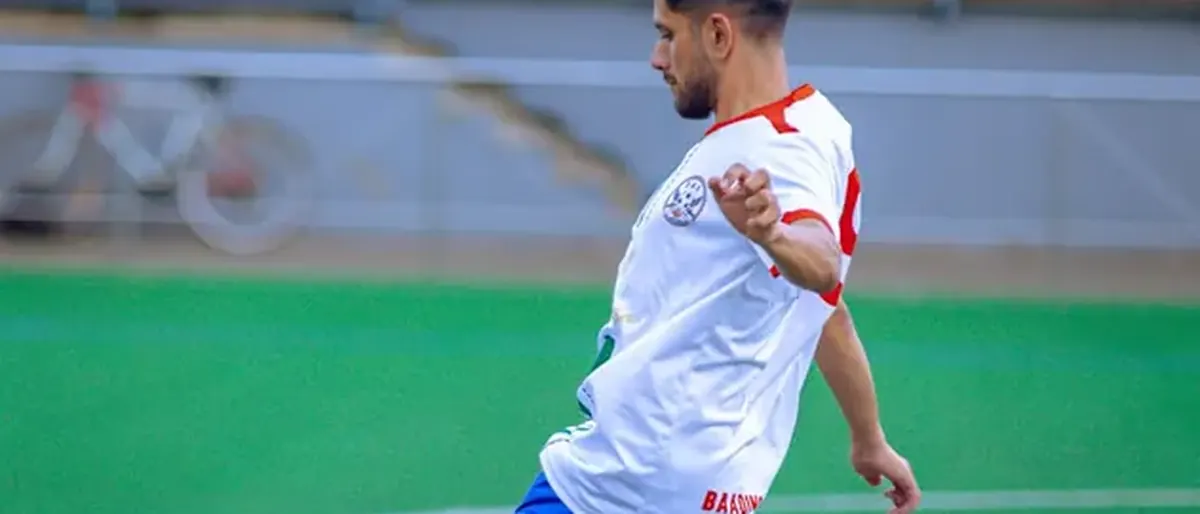
A Swiss international forward who joined Leeds United, bringing a blend of pace, direct running, and versatility to Daniel Farke's attacking unit. Okafor's arrival was part of the club's squad rebuild following promotion, adding depth to a forward line.
Primary Position
Winger or centre-forward, capable of operating across the front three. Okafor is most effective when deployed on the left flank, cutting inside onto his stronger right foot, though he has also been used as a central striker in Farke's system during injury rotations.
Age and Experience
At 25 years old (as of the 2025/26 season), Okafor sits in the prime years of his career. His professional journey began at FC Basel, where he broke into the first team as a teenager, before moving to Red Bull Salzburg and later AC Milan, giving him exposure to the Champions League and top-flight football.
Tactical Fit in Farke's System
Pressing and Work Rate
Daniel Farke's tactical framework demands relentless pressing from the front, and Okafor's physical profile aligns with this requirement. His acceleration over short distances allows him to close down opposition defenders and goalkeepers effectively, forcing errors in build-up play. Unlike some natural wingers who conserve energy for attacking transitions, Okafor has shown a willingness to track back and support his full-back when Leeds are out of possession.
Attacking Movement
Okafor thrives in space, particularly on counter-attacks where his direct running can isolate defenders one-on-one. In Farke's system, which often uses width from full-backs and inverted wingers, Okafor's tendency to drift inside creates overloads in central areas. This movement complements the hold-up play of a target striker, allowing the Swiss forward to arrive late in the box or pick up second balls.
Versatility Across the Front Line
Position
Strengths
Limitations
Left winger
Best fit; can cut inside, cross, or shoot
Less effective when asked to stay wide and deliver crosses
Central striker
Physical presence, good hold-up play
Finishing consistency can waver; prefers running onto balls
Right winger
Can cut inside onto left foot
Less natural; crossing accuracy drops
Key Attributes and Weaknesses
Pace and Dribbling
Okafor's standout trait is his explosive acceleration. When given space to run into, he can beat defenders with ease, often drawing fouls in dangerous areas. His dribbling style relies more on speed than intricate footwork, making him most dangerous in transition phases rather than against deep, compact defences.
Finishing and Decision-Making
While capable of scoring spectacular goals—particularly from outside the box or on the break—Okafor's finishing can be inconsistent in high-pressure situations. His shot selection sometimes prioritises power over placement, leading to missed opportunities that a more clinical finisher might convert.
Injury History
Okafor has dealt with muscle injuries throughout his career. Leeds United's medical staff have managed his workload carefully, with Farke rotating him in and out of the starting eleven to maintain fitness across the demanding season. This rotation has affected his ability to build sustained form, but has kept him available for crucial matches.
Role in the 2025/26 Season
Squad Rotation and Impact
In Leeds' first season back in the top flight, Okafor has featured primarily as an impact substitute and occasional starter. His ability to change a game late on—using fresh legs against tiring defences—has made him a valuable weapon from the bench. Farke has used him in a similar role to how he deployed other direct wingers at previous clubs, prioritising defensive solidity early in matches before introducing Okafor's pace to stretch opponents.
Statistical Context
While specific numbers depend on individual match performance, Okafor's contributions can be measured through general metrics such as goals and assists, dribbles completed, chances created, and defensive actions in the final third. These metrics help determine whether his impact matches expectations.
Comparison with Other Leeds Forwards
Dominic Calvert-Lewin
Calvert-Lewin serves as a primary focal point, offering aerial dominance and hold-up play. Okafor provides a contrasting option—more mobile, less physical, but capable of running in behind defences that sit deep against a target-man style.
Lukas Nmecha
Nmecha operates as a more technical, link-up forward who drops deep to connect play. Okafor is more direct and vertical, making them complementary options rather than direct competitors for the same role.
Wilfried Gnonto
Gnonto shares Okafor's preference for the left wing but offers more close control and creativity in tight spaces. Okafor's greater physicality and pace make him better suited to counter-attacking situations, while Gnonto excels against low blocks.
What to Monitor
Fitness consistency: Can Okafor maintain availability across a full season without recurring muscle injuries?
Tactical adaptation: Will Farke adjust his system to maximise Okafor's strengths against different opposition types?
Competition for places: How does Okafor's form compare to other wide options in the squad?
Goal contribution rate: Is his output sufficient for a forward expected to provide regular goals and assists at the top level?
Tom Ashworth oversees the editorial direction of the site, with 15 years of experience in sports media. He has covered Leeds United through multiple divisions and specializes in long‑form analysis, season previews, and pillar content. He ensures all articles meet YMYL standards for accuracy and depth.