Championship Winter Conditions: Performance Impact Analysis
The English Championship's winter period is not merely a calendar phase; it is a grueling test of a squad's physical resilience, tactical adaptability, and mental fortitude. For clubs like Leeds United, navigating the festive fixture pile-up and the harsh, unpredictable weather from November through February can define the trajectory of their promotion campaign. This analysis examines the multifaceted impact of winter conditions on team performance, exploring how pitch quality, player fitness, tactical approaches, and scheduling converge to create a unique competitive landscape.
The Physical Toll: Fixture Congestion and Player Welfare
The most immediate impact of the Championship winter is the relentless schedule. The period encompassing late December and early January is infamous for its fixture density, often requiring teams to play three matches in the space of seven to eight days. This congestion places an immense strain on players' bodies, increasing the risk of muscular injuries, fatigue, and burnout. For a squad with limited depth, this period can be particularly perilous, stretching resources to their limit.
Sports science departments become crucial, with recovery protocols—from cryotherapy to tailored nutrition—taking center stage. The ability to manage player workload through effective squad rotation is often the difference between maintaining form and suffering a costly dip. Teams that successfully navigate this period typically emerge in January with their key players intact, while others may see their promotion hopes derailed by an injury crisis.
Environmental Factors: Pitch and Weather Challenges
Winter weather fundamentally alters the playing surface and conditions. Heavy rain leads to waterlogged, heavy pitches that sap energy and slow down passing sequences. Freezing temperatures can create hard, unpredictable surfaces, while fog and driving rain impair visibility for players and officials alike.
Impact on Playing Style
These conditions force tactical adjustments. Teams that rely on a possession-based, short-passing game may struggle to execute their usual precision on a boggy pitch at away grounds with less sophisticated drainage. Conversely, sides comfortable with a more direct approach or set-piece prowess can find these conditions a leveller. The effectiveness of a team's wide play, often a key feature for promotion contenders, can be nullified by a sodden touchline. Analyzing a team's home vs. away form during winter often reveals these stylistic adaptations.
Goalkeeping and Defensive Considerations
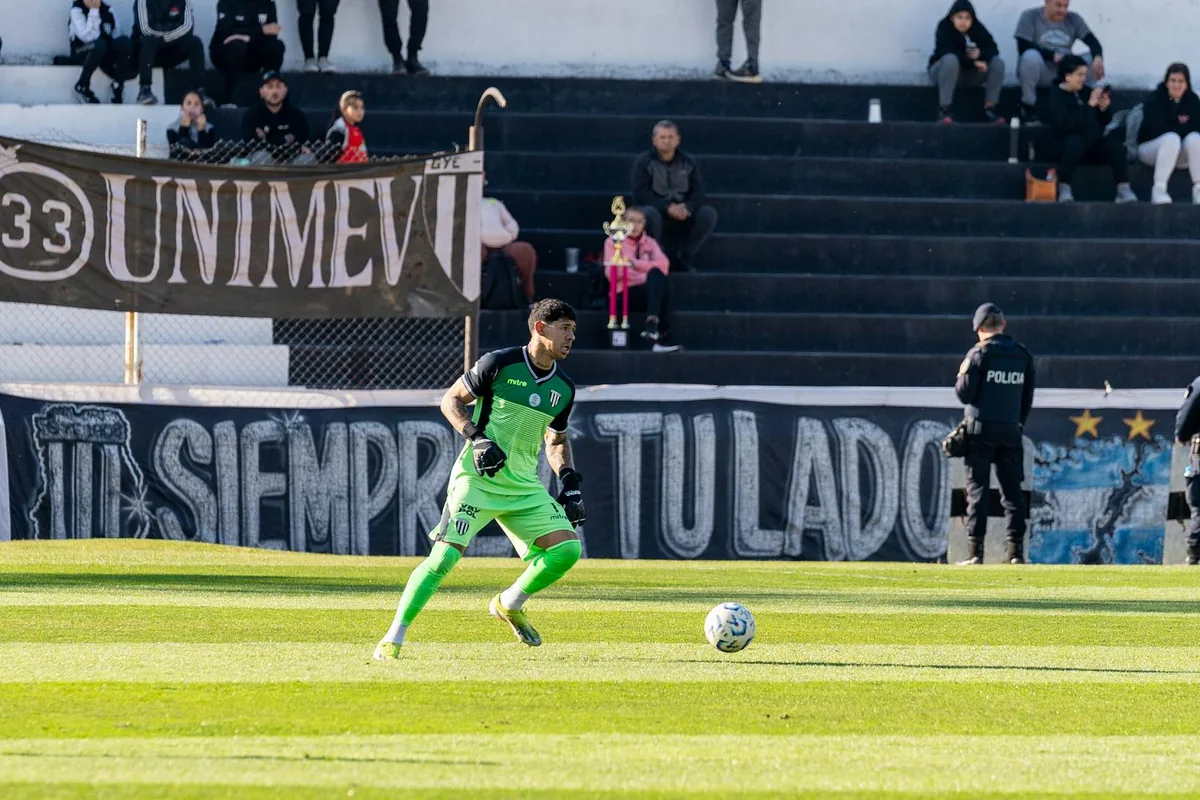
Goalkeepers face unique challenges, dealing with a slippery ball and unpredictable bounce. Defensive communication becomes even more critical in poor visibility. A solid defensive unit that can maintain concentration and organization in adverse conditions is a priceless asset during the winter months.
The Mental Battle: Consistency Amidst Disruption
Beyond the physical, winter presents a significant psychological hurdle. The disruption to normal preparation routines—travel delays, altered training schedules, and playing in empty or windswept stadiums—tests a team's focus and professionalism. The ability to grind out results when not playing at peak aesthetic levels becomes a hallmark of potential promotion winners.
This period often sees unexpected results, where league leaders drop points against lower-half sides battling relegation. The mental resilience to avoid frustration, maintain belief in the game plan, and secure points even in ugly fashion is paramount. The collective mindset fostered by the manager and team leadership is rigorously tested during this phase of the campaign.
Strategic Implications for the Promotion Race
The winter period acts as a filter in the Championship promotion race. It exposes squads with inadequate depth, teams overly reliant on a single style of play, and clubs whose fitness regimes are not elite. For analysts and fans, a team's winter performance is a strong indicator of their true credentials.
Clusters of fixtures against direct rivals often fall during this time, making each match a potential six-point swing. The outcome of a key fixture in December can have ramifications that echo into the spring. Furthermore, a difficult winter can precipitate activity in the January transfer window, as clubs seek reinforcements to address weaknesses laid bare by the schedule and conditions, a dynamic explored in our winter transfer window analysis.
Adaptation and Preparation: Keys to Winter Success
Successful clubs proactively prepare for the winter grind. This preparation extends beyond the first team to encompass:
- Training Ground Adjustments: Simulating wet or windy conditions in training, focusing on longer warm-ups, and emphasizing recovery sessions.
- Tactical Flexibility: Coaches must have alternative game plans ready, whether that involves a more pragmatic shape, altered pressing triggers, or a greater emphasis on aerial duels.
- Data-Informed Management: Utilizing sports science data to identify players at risk of fatigue and making rotation decisions based on empirical evidence rather than guesswork.
- Logistical Excellence: Ensuring travel plans are robust to handle winter disruptions and that players have the appropriate kit and equipment for all conditions.
Authoritative resources like the Premier League's official site often feature insights into elite sports science, while organizations like The Football Association provide guidelines on pitch care that are relevant to understanding the challenges clubs face.
Conclusion: The Winter as a Defining Phase
In the marathon of a Championship season, the winter months represent the most arduous climb. The impact of conditions is holistic, affecting the physical, tactical, and psychological dimensions of performance. For Leeds United and their promotion rivals, excelling during this period is less about flair and more about resilience, adaptability, and depth. Teams that emerge from January still in contention, with a fit squad and points on the board, invariably prove to be the ones battling it out in the decisive promotion run-in. The winter, therefore, is not just a challenge to be endured but a critical proving ground where promotion pedigrees are forged.