

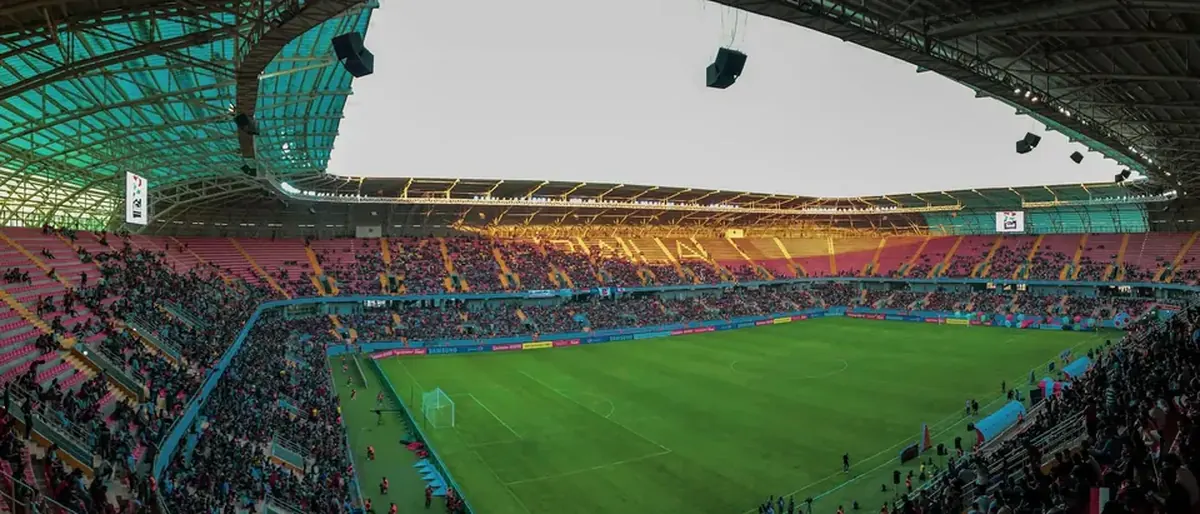
Every Premier League survival campaign has its inflection points—moments when the trajectory of a season shifts, when a team either finds its footing or sinks deeper into the relegation mire. For Leeds United in the current campaign, the story is still being written, but certain matches have already carved themselves into the narrative. Daniel Farke's side sits just above the relegation zone, clinging to a narrow cushion. The margin for error is razor-thin.
This checklist breaks down the key matches that have defined—and will continue to define—Leeds's survival strategy. Each step examines a critical fixture, the tactical context, and what it reveals about Farke's approach. Use this as a lens to understand the season's turning points and the road ahead.
Step 1: The Opening Statement — Matchday 1 vs. Wolverhampton Wanderers (Home)
The season opener at Elland Road set the tone. A victory over Wolves, with a debut goal, announced that this Leeds side would not be passive. The match demonstrated Farke's pressing system in its most effective form: high intensity, quick transitions, and clinical finishing.
What it revealed: The pressing worked best when the opposition was forced into mistakes in their own half. Wolves, still adjusting to their own tactical identity, were caught out repeatedly. This match became a template for how Leeds could win—by suffocating opponents early and capitalizing on set-piece opportunities.
Step 2: The Reality Check — Matchday 5 vs. Manchester City (Away)
A heavy defeat at the Etihad was expected, but the manner of it exposed structural weaknesses. Leeds's high line, so effective against mid-table sides, was torn apart by City's vertical passing. The pressing system, designed to compress space, left gaps that elite players exploited ruthlessly.
The lesson: Farke's tactics require discipline and collective movement. Against top-six opponents, the press must be more selective—triggered only when the ball enters specific zones. This match forced adjustments: against elite sides, Leeds began sitting deeper, absorbing pressure, and relying on counter-attacks.
Step 3: The Six-Pointer — Matchday 12 vs. Ipswich Town (Home)
This was the first true "relegation six-pointer" of the season. Ipswich, promoted alongside Leeds from the Championship, arrived at Elland Road with similar ambitions. The draw felt like a missed opportunity—Leeds dominated possession but lacked the cutting edge to break down a deep block.
Tactical breakdown: Farke's system thrives on chaos and transition. Against a well-organized low block, the pressing becomes less effective because there's no space to win the ball high. This match highlighted the need for a plan B: when the press is neutralized, Leeds struggles to create chances.
Key takeaway: Survival depends on winning these direct battles against relegation rivals. The draw kept Leeds above Ipswich, but the two points dropped could prove decisive.
Step 4: The Resilience Test — Matchday 18 vs. Everton (Away)
A comeback victory at Goodison Park was arguably Leeds's most character-defining performance. Trailing at halftime, Farke made tactical adjustments that turned the game. The equalizer and winner came from set pieces.
What it proved: This Leeds side has resilience. The ability to adapt mid-game—shifting from a 4-2-3-1 to a more aggressive 4-1-4-1—showed tactical flexibility. Farke's in-game management was decisive.
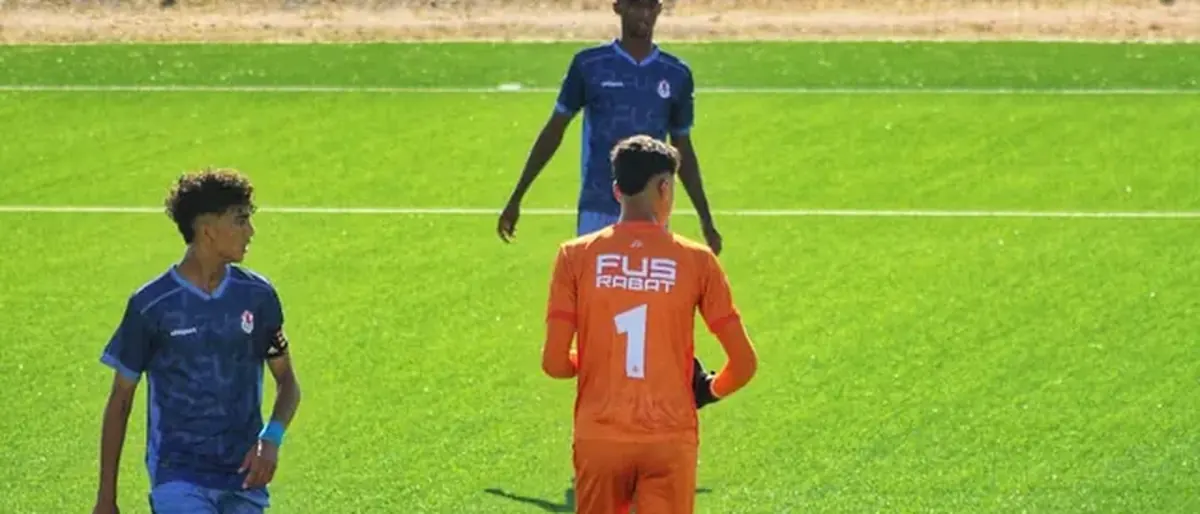
Step 5: The Slump and Recovery — Mid-Season Winless Run
Between late January and mid-February, Leeds went through a winless run. The low point was a defeat to Brentford, where the pressing system completely unraveled. Brentford's long-ball tactics bypassed the midfield press entirely, exposing Leeds's center-backs in one-on-one situations.
The adjustment: Farke responded by tweaking the pressing triggers. Instead of committing all outfield players high, the front three were instructed to press only when the ball was played into the central channels. The full-backs dropped deeper to provide cover against counter-attacks. This pragmatic shift—sacrificing some attacking ambition for defensive solidity—stopped the bleeding.
Step 6: The Crucial March Run
The current form has been encouraging. Wins and draws have created breathing room. The supporting cast has stepped up.
What's working now: The pressing is more selective, the defensive shape is compact, and the set-piece routines are producing results. Leeds has scored consistently from set pieces in recent matches, a direct result of Farke's focus on dead-ball situations during training.
Step 7: The Final Stretch — A Survival Blueprint
With matches remaining, Leeds's fate is in their own hands. The remaining fixtures include more six-pointers against fellow relegation candidates. The tactical approach must be:
- Win at home: Elland Road has been a fortress in patches. The atmosphere, driven by Yorkshire's passionate fan culture, can lift the team.
- Be pragmatic away: Against top-half sides, a point is acceptable. The counter-attacking structure is the primary weapon.
- Dominate set pieces: Leeds's improved efficiency from set pieces provides a margin of error.
- Rotate wisely: Farke's rotation strategy will be critical. Managing the fitness of key players is essential.
The Verdict
Leeds United's survival strategy rests on three pillars: tactical flexibility, set-piece efficiency, and resilience under pressure. The key matches so far have revealed both the strengths and limitations of Farke's system. The pressing can overwhelm mid-table sides but struggles against elite organization. The counter-attack is potent but requires defensive discipline.
The comparison with the 2020/21 survival campaign under Marcelo Bielsa is instructive. That side finished in the top half, playing a relentless high-intensity style. This Leeds team, by contrast, is more pragmatic—sacrificing some attacking flair for defensive solidity. The question is whether that pragmatism will be enough.
For more on Farke's tactical evolution, see our analysis of his pressing system in /tactics-analysis-farke. To understand how this season compares to the 2020/21 survival, read /comparison-with-2020-21-survival. And for a deeper look at how rotation shaped recent success, explore /rotation-strategy-championship-2024-25.
The final matches will define this season's legacy. At Elland Road, where the ghosts of Don Revie's title winners and Howard Wilkinson's champions still echo, survival would be another chapter in a story built on resilience. The foundation is there. Now, it's about execution.