

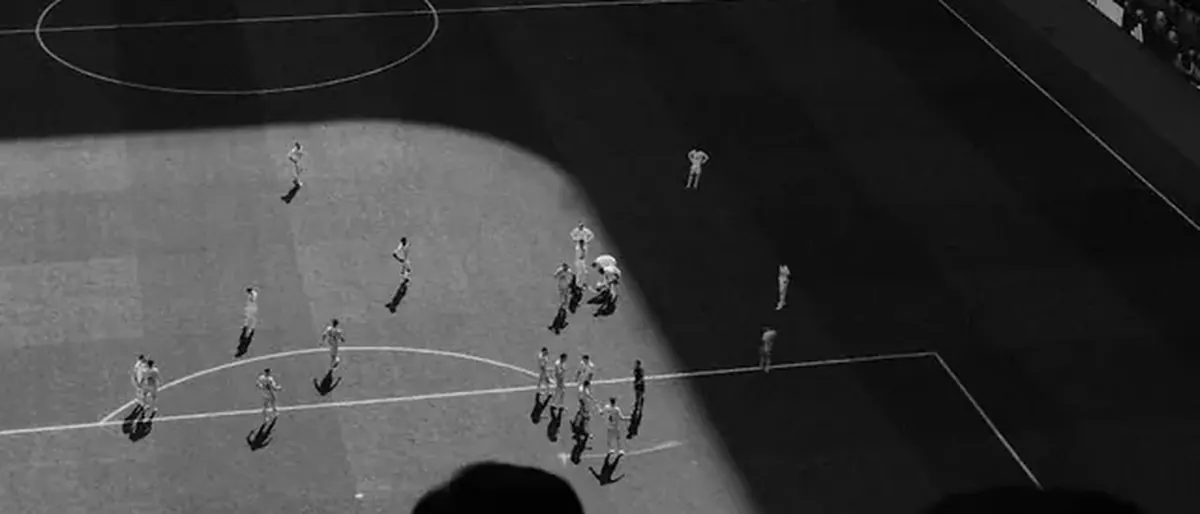
When Daniel Farke took the reins at Elland Road, he carried with him a reputation forged in the crucible of German football—a system built on relentless pressing, positional discipline, and a clear attacking identity. Yet, the Premier League of 2025/26 is a different beast from the Championship battlegrounds where he secured promotion. This article dissects the tactical framework Farke has implemented at Leeds United, examining its strengths, vulnerabilities, and the adaptations required for survival in England's top flight.
The Foundation: Possession with Purpose
Farke's philosophy is rooted in controlled possession, but not the sterile sideways passing that invites criticism. At its core, the system demands verticality—quick transitions from defence to attack, often bypassing the midfield through progressive passes from the centre-backs or full-backs. In the Championship, this approach yielded a high average possession rate, but more importantly, it created high-quality chances through structured overloads in wide areas.
The key principle is "positional play," where each player occupies a specific zone to maintain spacing and passing lanes. The full-backs push high, effectively forming a back three in possession, while the inverted wingers tuck inside to create central congestion. This forces opposition defences to make uncomfortable choices: either track the runners or leave space for the advancing midfielders.
Pressing: The High-Energy Engine
Farke's pressing system is not the chaotic, all-out sprinting of some heavy-metal football schools. Instead, it is a coordinated, trigger-based press designed to trap opponents in specific zones. Leeds typically initiate the press when the ball is played into a wide area, with the near-side winger and full-back closing down simultaneously, while the midfield shifts across to block passing lanes.
This system demands exceptional fitness and tactical intelligence, particularly from the central midfielders. Ilya Gruev, for instance, has become a crucial cog in this machine—his ability to read the game and intercept passes has been vital in transitioning from defence to attack. The Bulgarian midfielder's contributions in the Premier League 2025/26 season underscore his dual role as both a disruptor and a creator.
However, the high press is a double-edged sword. When executed correctly, it suffocates opponents and creates turnovers in dangerous areas. When it fails, Leeds are exposed to counter-attacks, often with only two defenders covering large spaces. This vulnerability has been a recurring theme in the Premier League 2025/26 campaign, where the team has conceded goals from fast breaks against sides with pace in attacking transitions.
Attacking Patterns: Width and Overloads
In the final third, Farke's blueprint relies heavily on creating numerical advantages in wide areas. The full-backs—often the team's primary creative outlets—overlap or underlap depending on the movement of the wingers. Brenden Aaronson, operating from the right flank, frequently drifts inside to link play, allowing the right-back to bomb forward into the space vacated. This rotation creates confusion among defenders, who must decide whether to follow the runner or hold their position.
Dominic Calvert-Lewin, a key figure in the team's attack in the Premier League 2025/26 season, is the focal point of this system. His movement is not merely about occupying the centre-forward position; he drifts into channels, pulls defenders out of position, and provides a physical presence for crosses. The striker's ability to hold up the ball and bring others into play is critical, especially when Leeds face deep-lying defences that require patience to break down.
Lukas Nmecha offers a different dimension. His pace and direct running allow Farke to vary the attack, switching from patient build-up to quick transitions when the opportunity arises. This tactical flexibility is a hallmark of Farke's approach—the system is not rigid but adapts based on the opposition's weaknesses.
Defensive Structure: The Fragile Foundation
Defensively, Leeds operates in a mid-block when not pressing, aiming to compress space between the lines. The central defenders are tasked with stepping out aggressively to engage attackers, while the midfield screens the back line. This approach works well against teams that rely on possession, as it forces mistakes in congested areas.

Yet, the Premier League 2025/26 statistics reveal a troubling trend: Leeds have conceded a significant number of goals from set-pieces and crosses. The team's defensive record—with a negative goal difference—highlights the difficulty of maintaining concentration against top-tier attackers. The full-backs, while excellent going forward, can be caught out of position, leaving the centre-backs exposed to quick switches of play.
The transition from Championship dominance to Premier League survival has exposed these defensive frailties. In the Championship, Leeds could afford to take risks, knowing their attacking firepower would outscore opponents. In the Premier League, every defensive lapse is punished, and the margin for error is razor-thin.
Tactical Evolution: Adapting to the Premier League
Farke has shown a willingness to adapt, particularly in away games against stronger opposition. Leeds have occasionally shifted to a more compact 4-4-2 shape without the ball, prioritising defensive solidity over attacking ambition. This pragmatic approach has yielded mixed results—some hard-fought draws, but also defeats where the team struggled to create chances.
The use of substitutes has also evolved. Farke now regularly introduces fresh legs in midfield and attack to maintain the pressing intensity, recognising that the Premier League's pace demands a deeper squad rotation. Anton Stach's arrival has added a physical presence in midfield, allowing Gruev to push forward more frequently.
The Risk: Survival in the Premier League
The tactical blueprint is clear, but the execution remains inconsistent. Leeds' position in the league table reflects both the team's potential and its vulnerabilities. The battle for survival is not just about tactics; it is about resilience, squad depth, and the ability to grind out results when the system fails.
Farke's record of promotions from the Championship is remarkable, but the Premier League demands a different skill set. The question is whether his system can evolve quickly enough to keep Leeds in the division, or whether the club will once again face the heartbreak of relegation.
Conclusion: A Work in Progress
Daniel Farke's tactical blueprint at Leeds United is a sophisticated, high-risk system that has brought success in the Championship but faces its sternest test in the Premier League. The foundation—possession, pressing, and positional play—is sound, but the defensive vulnerabilities and the need for consistent execution remain significant challenges.
For Leeds fans, the journey is familiar: hope mixed with anxiety, brilliance punctuated by setbacks. The club's history, from Don Revie's era to Howard Wilkinson's title-winning side, is built on resilience. Whether Farke's tactical vision can carry that legacy forward remains to be seen, but the blueprint is there—now it must be executed under the unforgiving lights of the Premier League.
For more on the squad's composition, visit our player profiles and squad overview. To understand the midfield engine, read about Ilya Gruev's contributions. The future of the club lies in its youth, explored in our academy graduates feature.