


The story of Leeds United cannot be told without the story of its supporters. From the coal-fired terraces of Elland Road to the away ends of every Premier League ground, the Leeds United fanbase has cultivated a reputation that precedes it—passionate, demanding, fiercely loyal, and unapologetically Yorkshire. To understand the culture of Leeds supporters is to understand the identity of a region that has long defined itself through resilience, pride, and an unwavering sense of belonging.
The Roots of a Regional Identity
Leeds United’s fan culture is inseparable from the broader Yorkshire identity. The county of Yorkshire, historically a powerhouse of industry, mining, and agriculture, has fostered a population known for its directness, humour, and collective spirit. When Don Revie built his great Leeds side of the late 1960s and early 1970s, he did not just assemble a football team—he created a symbol of Yorkshire pride. The club’s three First Division titles, won in 1968/69, 1973/74, and 1991/92, were celebrated not merely as footballing achievements but as affirmations of a regional identity that had often been overlooked by the southern establishment.
The connection between the club and its supporters runs deeper than the 90 minutes on the pitch. For generations, attending Elland Road has been a rite of passage—a shared experience passed from parent to child, from neighbour to neighbour. The famous "Marching On Together" anthem, adopted in the early 1970s, remains one of the most recognisable club songs in English football, and its chorus echoes through the stands before every home match. It is a song of defiance, of unity, and of the belief that Leeds United belongs among the elite.
The Elland Road Fortress
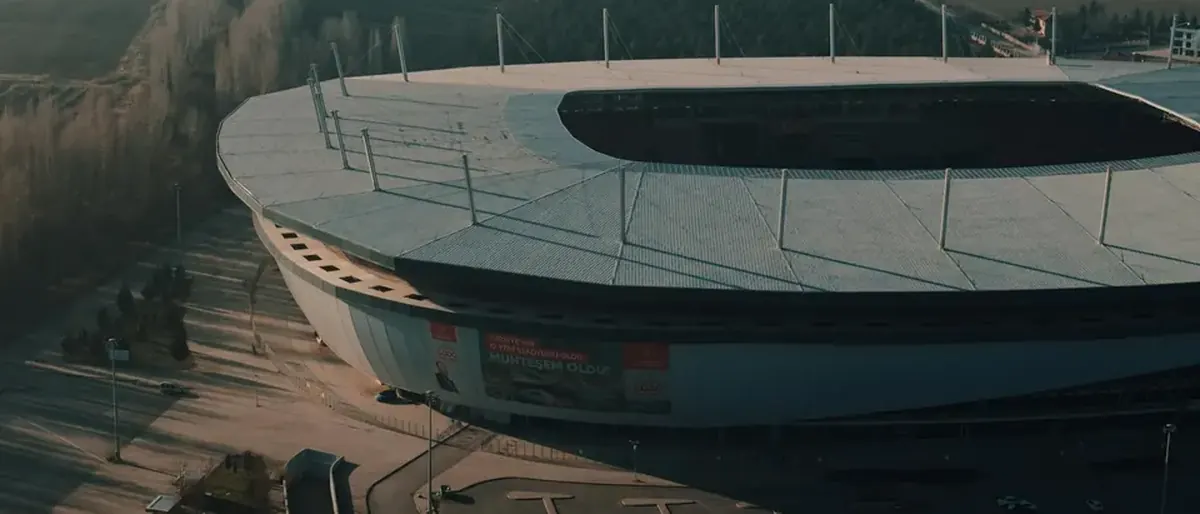
Elland Road itself is a character in the story of Leeds United fan culture. The stadium, which has been the club’s home since 1919, has undergone numerous transformations, but its soul remains intact. The Kop, the largest single-tier stand, has been the heartbeat of the ground for decades. When the stadium is full and the atmosphere is at its peak—during a crucial Premier League clash or a high-stakes Championship decider—Elland Road becomes one of the most intimidating venues in English football.
The relationship between the fans and the team is symbiotic. Leeds supporters are known for their ability to lift the side when it matters most, but they are equally unforgiving when standards slip. This demanding nature has been a defining characteristic of the fanbase across eras. During the club’s relegation from the Premier League in 2022/23, the frustration in the stands was palpable, yet the loyalty never wavered. The following season, as Daniel Farke began the task of rebuilding in the Championship, the fans responded with renewed energy, filling Elland Road week after week.
The Championship Years and the Return to the Premier League
The period after relegation tested the resilience of Leeds United supporters in ways that few fanbases have experienced. After the disappointment of relegation, there was no guarantee of an immediate return. The Championship is notoriously unforgiving, and many clubs have found themselves trapped in the second tier for years after a Premier League exit.
Yet the fans rallied. Under Farke’s management, the team secured promotion back to the Premier League at the first attempt. For the supporters, that moment was vindication—not just of the team’s quality, but of their own unwavering belief.
The current season has brought its own challenges. The Premier League is a different beast, and Leeds United find themselves in a battle for survival. For the fans, this season has been a test of patience and perspective. The memories of the 2020/21 campaign, when Leeds returned to the Premier League after 16 years and finished 9th, are still fresh. That season was a celebration of survival and style. This season feels different—more precarious, more urgent. Yet the supporters remain, filling the away ends, singing through the defeats, and believing that survival is possible.
The Role of the Academy and Local Pride
One of the most enduring aspects of Leeds United fan culture is the pride taken in the club’s academy. Thorp Arch, the training ground, has produced a steady stream of talent over the years, and supporters take great satisfaction in seeing homegrown players represent the first team. The connection between the academy and the fanbase is a direct line to the community—a reminder that Leeds United is not just a business but a living institution rooted in Yorkshire soil.
The academy has produced players who have gone on to represent the club at the highest level, and the fans have always been quick to embrace their own. This local pride is a counterbalance to the modern football landscape, where globalisation and commercialisation can sometimes feel distant from the everyday supporter. For Leeds fans, the academy is a source of authenticity—a link to the club’s past and a promise for its future.
The Modern Fan Experience and the Digital Age
The culture of Leeds United supporters has evolved in the digital age. Social media, fan forums, and independent media outlets have created new spaces for discussion, debate, and community. The WACCOE independent platform, for example, has become a hub for analysis, opinion, and fan-generated content. Supporters no longer rely solely on mainstream media for their fix of Leeds news; they create their own narratives, share their own statistics, and hold their own debates.
This digital shift has not diminished the importance of matchday. If anything, it has enhanced it. The sense of community that begins online spills into the stands, and the shared experience of following the team—whether at Elland Road or on a screen thousands of miles away—creates a bond that transcends geography. Leeds United has supporters across the world, but the heart of the fanbase remains in Yorkshire.
The Comparison: 2020/21 vs The Current Season
The current season invites inevitable comparisons with the 2020/21 campaign, the first after promotion under Marcelo Bielsa. That season was defined by attacking football, high pressing, and a sense of adventure. The team finished 9th with 59 points, and the fans revelled in every moment. The football was exhilarating, and the connection between the team and the supporters was electric.
The current season, under Farke, has been more pragmatic. The pressing system remains, but the approach is more measured, more focused on control and structure. The results have been mixed, and the margin for error is slim. Yet the fans have adapted. They understand that survival in the Premier League requires a different mindset, and they have embraced the fight.
| Aspect | 2020/21 Season | Current Season |
|---|---|---|
| Manager | Marcelo Bielsa | Daniel Farke |
| Final Position | 9th | Ongoing |
| Top Scorer | Patrick Bamford (17 goals) | TBD |
| Goal Difference | +8 | TBD |
| Playing Style | High-pressing, expansive | Pressing with control |
The Risks and the Road Ahead
The battle for survival in the Premier League is never straightforward, and Leeds United face significant risks in the remaining matches of the current season. The team’s reliance on a single forward for goals creates a vulnerability if he suffers a dip in form or injury. The midfield, while industrious, has lacked the creative spark that defined the Bielsa era, and the defence has been inconsistent.
However, the supporters remain the club’s greatest asset. The atmosphere at Elland Road can lift the team in the most difficult moments, and the away support has been unwavering. The fans understand that the Premier League is a marathon, not a sprint, and they are prepared to back the team until the final whistle of the season.
Yorkshire fan culture is not a monolithic entity—it is a living, breathing organism that evolves with every season, every promotion, every relegation. Leeds United supporters are defined by their loyalty, their passion, and their refusal to accept mediocrity. They have celebrated the highs of title wins and European nights, and they have endured the lows of relegation and financial uncertainty. Through it all, they have remained.
The current season is a test, but it is not the first and it will not be the last. The fans will continue to march on together, filling the stands of Elland Road and the away ends of every ground in the Premier League. Leeds United is not just a football club—it is a community, a family, and a symbol of Yorkshire pride. And that, for the supporters, is worth fighting for.
For more on the club’s journey through the eras, visit our club history overview. To understand the creative contributions of Brenden Aaronson, read our assists analysis. And for a deeper comparison of the 2020/21 and current seasons, explore our season comparison.