

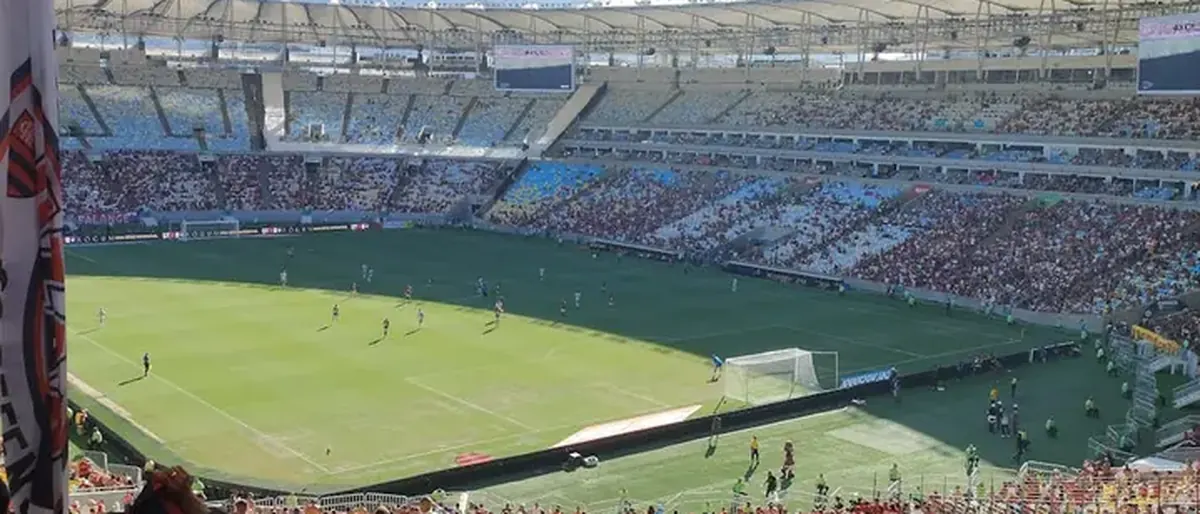
Few stadiums in English football carry the weight of history, identity, and raw emotion quite like Elland Road. For Leeds United supporters, it is not merely a venue where matches are played—it is a cathedral of memory, a fortress of defiance, and a living archive of the club’s journey through triumph, tragedy, and relentless resurgence. To understand Elland Road is to understand Leeds United itself: a club shaped by the industrial spirit of Yorkshire, the tactical revolutions of Don Revie and Howard Wilkinson, and the unbreakable bond between the stands and the pitch. This article explores the stadium’s evolution, its role in the club’s modern identity, and the distinctive fan culture that makes Elland Road one of the most intimidating and passionate grounds in English football.
The Foundations: From Humble Beginnings to a Football Fortress
Elland Road’s story begins in 1897, when Leeds City—the predecessor to Leeds United—first played on the site. The ground was initially a modest patch of land surrounded by coal mines and terraced houses, but its location in the heart of Beeston, a working-class district of Leeds, quickly made it a focal point for the community. After Leeds City folded in 1919, Leeds United was formed and adopted Elland Road as its permanent home. The early decades saw gradual expansion: the iconic West Stand was built in the 1920s, and by the 1930s, the stadium could hold over 50,000 spectators, a testament to the city’s growing passion for football.
The turning point came in the 1960s under Don Revie. Revie transformed Leeds United from a second-division side into a dominant force in English football, and Elland Road became the stage for some of the most memorable matches in the club’s history. The stadium’s atmosphere during this era was legendary—ferocious, vocal, and unyielding. Revie’s teams, known for their physicality and tactical discipline, fed off the energy of the crowd, winning the First Division title in 1968/69 and 1973/74. The stadium’s capacity peaked at around 58,000 during the 1970s, with fans packed into terraces that shook with every chant of “Marching On Together.”
However, the post-Revie years brought decline. By the 1980s, Elland Road had fallen into disrepair, and the club’s fortunes mirrored the stadium’s decay. The Taylor Report of 1990, which mandated all-seater stadiums following the Hillsborough disaster, forced Leeds United to modernize. Under Howard Wilkinson, who led the club to the First Division title in 1991/92—the last season before the Premier League era—Elland Road underwent significant renovations. The standing terraces were replaced with all-seater stands, and the capacity was reduced. The result was a more comfortable but less intimidating ground, though the spirit of the fans remained undimmed.
The Modern Elland Road: A Stadium Reborn
In the 21st century, Elland Road has undergone a series of upgrades to meet Premier League standards. Significant changes came after Leeds United’s promotion to the Premier League in 2020/21 under Marcelo Bielsa. The stadium’s capacity is now approximately 37,890, with improved hospitality suites, media facilities, and pitch drainage. The East Stand, which houses the away supporters, was refurbished, while the South Stand—home to the most vocal Leeds fans—remained a cauldron of noise.
The current configuration reflects the club’s ambitions. The West Stand, known as the John Charles Stand after the legendary Welsh striker, is the largest and most modern, featuring executive boxes and a museum dedicated to the club’s history. The North Stand, or the Kop, is the heart of the fan culture, where thousands of supporters stand for the entire match, creating an atmosphere that visiting teams often describe as hostile. The South Stand, meanwhile, is reserved for families and less vocal supporters, though it still contributes to the overall intensity.
Under Daniel Farke, who took charge in 2023, Elland Road has once again become a fortress. The stadium’s design—tight, compact, and close to the pitch—amplifies the noise, making it one of the most difficult places for opponents to play. Farke’s tactical system, which relies on high pressing and quick transitions, is perfectly suited to the energy of the home crowd. When the fans are behind the team, Elland Road becomes a weapon.
The Fan Culture: More Than Just a Chant
Leeds United’s fan culture is rooted in the city’s industrial heritage and its fierce regional identity. Yorkshire pride runs deep, and Elland Road is the epicenter of that pride. The club’s anthem, “Marching on Together,” is sung before every match, a tradition that dates back to the 1970s. The song’s lyrics—“We are Leeds, we are Leeds, we are Leeds”—are a declaration of unity, a reminder that the club belongs to the people.
The atmosphere at Elland Road is characterized by its intensity and loyalty. Even during the dark years in the Championship, when the club faced financial turmoil and relegation battles, the fans never wavered. The period after promotion back to the Premier League was a testament to that loyalty, with the entire stadium singing for hours after the final whistle of key matches.
But the culture is not just about noise. It is about ritual and tradition. The “Leeds Salute”—a clenched fist over the heart—is a gesture of solidarity, performed by players and fans alike. The pre-match build-up, with the team bus arriving at the stadium two hours before kick-off, is a spectacle in itself, as hundreds of fans line the streets to greet the players. The away end is often the site of heated exchanges, but it is also a place where rivalries are respected and celebrated.

The Role of Elland Road in Farke’s Tactical System
Daniel Farke’s tactical philosophy is built on intensity, organization, and collective effort. At Elland Road, these principles are amplified by the crowd. The stadium’s acoustics create a wall of sound that can disrupt opposition communication, especially during set pieces. Farke’s pressing system, which requires players to close down opponents aggressively, is fueled by the energy of the fans. When the crowd senses a moment of danger, they roar, pushing the team forward.
The team’s pressing intensity, measured by the number of high-intensity runs per match, is often higher at Elland Road than away, a direct result of the crowd’s influence. Players have spoken about how the crowd’s support lifts their performance. Similarly, midfielders have thrived in the high-pressure environment, using the crowd’s energy to fuel their pressing and ball recovery.
The Challenges of Modernization
Despite its iconic status, Elland Road faces significant challenges. The stadium’s capacity is among the smallest in the Premier League, limiting matchday revenue. Plans for expansion have been discussed for years, but they are complicated by the stadium’s location in a residential area and the need to preserve its historic character. The club has explored options for increasing capacity, but such a project would require substantial investment and planning permission.
Another challenge is the aging infrastructure. The West Stand, while modern, was built in the 1990s and requires ongoing maintenance. The East Stand, which houses the away supporters, is outdated and lacks the amenities of newer stadiums. The pitch, while well-maintained, has been criticized for its narrow dimensions, which can disadvantage teams that rely on width. However, Farke has turned this into an advantage, using the tight space to compress the opposition and force turnovers.
The Future: A Stadium for the Next Generation
Elland Road is not just a relic of the past; it is a living, breathing entity that continues to evolve. The club’s return to the Premier League under Farke has reignited discussions about the stadium’s future. The home form has been crucial, and the fans have responded with unwavering support.
The stadium’s role in the community remains central. The Leeds United Academy, based at Thorp Arch, produces young players who dream of playing at Elland Road. The connection between the academy and the first team is a source of pride, and the stadium serves as a symbol of what is possible. For the fans, Elland Road is more than a stadium; it is a home, a sanctuary, and a testament to the enduring spirit of Leeds United.
Elland Road stands as a monument to the history and culture of Leeds United. From its humble beginnings in the 19th century to its current status as a Premier League venue, the stadium has witnessed the club’s greatest triumphs and deepest struggles. The fan culture, rooted in Yorkshire pride and unwavering loyalty, is the lifeblood of the club. Under Daniel Farke, Elland Road has once again become a place where opponents fear to tread, a testament to the power of a united community.
As Leeds United navigates the challenges of the Premier League, the stadium remains a constant. The chants of “Marching on Together” echo through the stands, a reminder that the club’s identity is inseparable from its home. For the fans, Elland Road is not just a venue; it is a legacy, a promise, and a future yet to be written. To understand Leeds United, one must understand Elland Road—and to understand Elland Road is to understand the heart of Yorkshire.
For more on the current squad, visit our player profiles page. To explore the tactical system under Daniel Farke, read our tactical analysis. And for a deeper look at the contributions of key players, check our assists breakdown.