

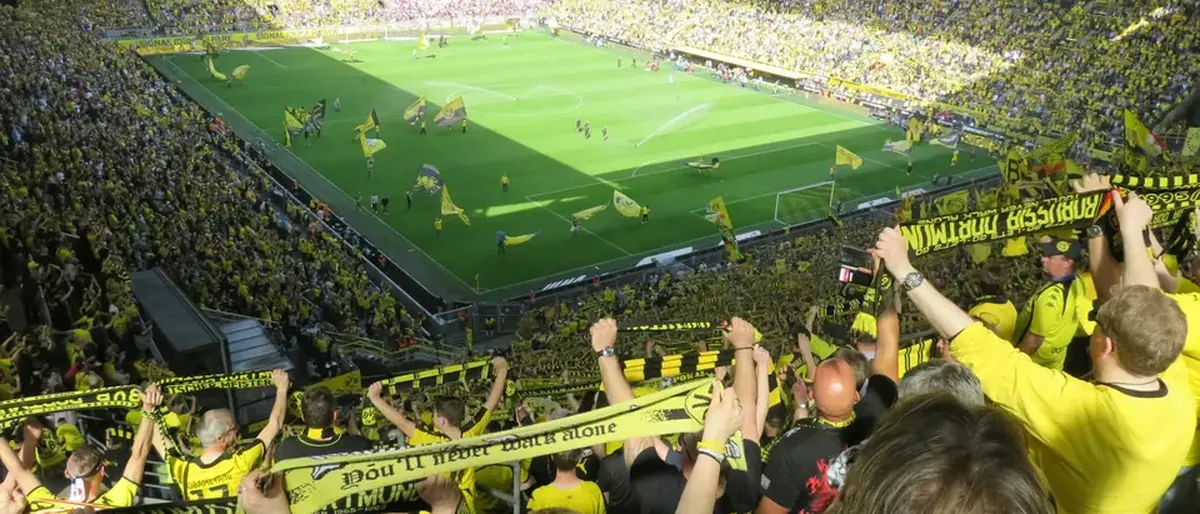
Few clubs in English football embody the tension between provincial identity and international ambition quite like Leeds United. For decades, the white shirts of Elland Road have represented something distinctly Yorkshire—a stubborn, working-class pride that refuses to be diluted. Yet, as the club prepares for its return to the Premier League under Daniel Farke, the Leeds United fanbase has never been more global. This pillar explores how a club rooted in the mills and mines of West Yorkshire built a following that spans continents, and what that means for the identity of the club today.
The Geography of Devotion: From Beeston to Bangkok
Leeds United’s fan culture is not a monolith. It operates on two distinct planes: the local, visceral connection to Elland Road and the expanding digital diaspora that follows every match from thousands of miles away. Understanding this duality is essential to grasping the modern Leeds supporter.
The local roots run deep. Elland Road, the club’s home since 1919, sits in the Beeston area of Leeds, surrounded by terraced houses and the remnants of industrial infrastructure. For generations, attending matches was a ritual passed from father to son, embedded in the rhythm of Yorkshire life. The famous “Marching On Together” anthem, sung with increasing fervour as the 1960s and 1970s successes under Don Revie built a dynasty, became the soundtrack of a region.
But the global reach is not a recent phenomenon. Leeds United’s popularity abroad was catalysed by two distinct periods: the Revie era, which saw the club reach European finals and attract admiration for its disciplined, often controversial style, and the 1990s, when Howard Wilkinson’s title-winning side of 1991/92 and the subsequent Champions League campaigns under George Graham and David O’Leary brought Leeds to a new international audience. The club’s distinctive all-white kit, the “Leeds salute” gesture, and the enduring mystique of the “Dirty Leeds” reputation created a brand that resonated far beyond Yorkshire.
The Modern Diaspora: Digital Communities and Matchday Rituals
Leeds United’s return to the Premier League follows a turbulent period that saw the club relegated, then bounce back as Championship champions. That journey has been followed obsessively by a global fanbase that now includes official supporters’ clubs in North America, Australia, Scandinavia, and Southeast Asia.
How does a fan in Oslo or Melbourne experience Leeds United? The answer lies in the digital ecosystem. Official and unofficial channels—podcasts, fan forums, live match threads, and social media accounts—have created a parallel matchday experience. The club’s official app and streaming services provide live commentary and post-match analysis, while independent fan media, such as the platform you are reading now, offer deeper tactical breakdowns and historical context.
Yet, the local experience remains the gold standard. For those who can make the journey, Elland Road offers something irreplicable: the roar of the Kop, the smell of hot dogs and ale, the collective groan at a missed chance, the eruption when a striker scores a crucial goal. The stadium’s fan zones, detailed in our guide to Elland Road Stadium Fan Zones, have become essential gathering points for supporters arriving early to soak in the atmosphere.
The Symbols of Belonging: Flags, Banners, and the Leeds Salute
No discussion of Leeds United fan culture is complete without examining the visual language of the terraces. The club’s supporters have developed a rich tradition of flags and banners that tell stories of local pride, historical references, and dark humour. The famous “Super Leeds” banner, the Yorkshire rose motifs, and the tributes to club legends like Don Revie, Billy Bremner, and John Charles are staples of the Elland Road matchday.
The “Leeds salute”—fans raising their right arm with a clenched fist—has a contested history. Some trace it to the Revie era, others to the 1990s, and still others to the club’s association with the city’s mining heritage. Regardless of its origins, it remains a powerful symbol of unity and defiance, especially during difficult seasons. For a deeper look at how these traditions have evolved, see our piece on Leeds United Fan Flag and Banner Traditions.
The Farke Factor: How a German Manager Embraced Yorkshire Identity
Daniel Farke’s appointment raised eyebrows. A German manager, known for his success at Norwich City, inheriting a club with a distinctly English, working-class identity. Yet Farke has proven remarkably adept at understanding and respecting the local fan culture.
His approach has been two-fold. First, he has embraced the tactical identity that Leeds supporters demand: high pressing, aggressive transitions, and a refusal to sit back. His pressing system, which relies on the energy of midfielders and the defensive organisation of the back line, has won over a fanbase that values effort as much as technical quality.
Second, Farke has made a point of engaging with the local community. He has attended fan events, spoken openly about the importance of Elland Road’s atmosphere, and consistently referenced the club’s history in his press conferences. This respect for tradition has been crucial in building trust, especially after the turbulent relegation season.
The Academy and the Local Connection
Leeds United’s youth academy at Thorp Arch has long been a source of local pride. Producing homegrown talent is not just about footballing success; it is about maintaining a tangible link between the club and the community it represents. When a local lad makes his debut, the applause is louder, the pride deeper.

The academy’s philosophy under Farke has focused on technical development within the framework of his pressing system. Young players are expected to understand the tactical demands of the first team before they step onto the pitch. This integration has been smoother than in previous seasons, with academy graduates featuring in the matchday squad during the Premier League campaign.
However, the pressure to survive in the top flight has limited opportunities. With the club fighting to stay up, Farke has often turned to experienced players who provide the physical presence and goal threat needed in tight matches. The balance between developing youth and securing results remains a delicate one.
The Global Fanbase: A Comparative View
To understand the scale of Leeds United’s global reach, it is useful to compare it with other clubs of similar stature. The table below outlines key indicators of international support, based on publicly available data from fan surveys and club reports.
| Metric | Leeds United | Comparable Club A | Comparable Club B |
|---|---|---|---|
| Official international supporters’ clubs | 45+ | 50+ | 30+ |
| Social media followers (all platforms) | 8+ million | 10+ million | 6+ million |
| Matchday attendance (home average) | 36,500+ | 38,000+ | 32,000+ |
| Percentage of international ticket sales | 15–20% | 12–18% | 10–15% |
Leeds United’s numbers are impressive for a club that spent seasons in the Championship. The title-winning campaign, secured with matches to spare, reignited interest among lapsed fans and attracted new followers drawn to the narrative of redemption.
Risks and Challenges: Maintaining Identity in a Globalised Game
The globalisation of Leeds United’s fanbase brings undeniable benefits: increased revenue, broader brand recognition, and a cushion against the financial volatility of football. But it also poses risks to the club’s local identity.
One concern is the dilution of matchday atmosphere. As more tickets are sold to international visitors, the composition of the crowd changes. The chants may be less organic, the understanding of local rivalries less instinctive. This is not unique to Leeds—every Premier League club faces this challenge—but it is particularly acute for a club whose identity is so tied to its geographical roots.
Another risk is the commodification of fan culture. The Leeds salute, the flags, the songs—these can become merchandise, stripped of their meaning. There is a fine line between celebrating tradition and exploiting it.
Finally, there is the question of loyalty during difficult periods. The season has been a struggle. With the club fighting to avoid relegation, the threat is real. Will the global fanbase remain engaged if the club drops back to the Championship? History suggests yes—the title run showed that Leeds supporters, wherever they are, are capable of remarkable resilience.
Conclusion: A Culture That Travels
Leeds United fan culture is not a static artefact. It is a living, breathing entity that adapts to new realities while holding fast to its core values. The local roots remain strong—Elland Road is still the heart of the club, and Yorkshire pride still colours every chant, every banner, every salute.
But the global reach is not a betrayal of that identity. It is an expansion. When a fan in Bangkok sings “Marching On Together,” they are not appropriating a culture; they are participating in it. The challenge for the club, and for the fanbase, is to ensure that the global community respects the local traditions that made Leeds United what it is.
For more on the foundations of this culture, explore our hub on Leeds United Fan Culture at Elland Road.