

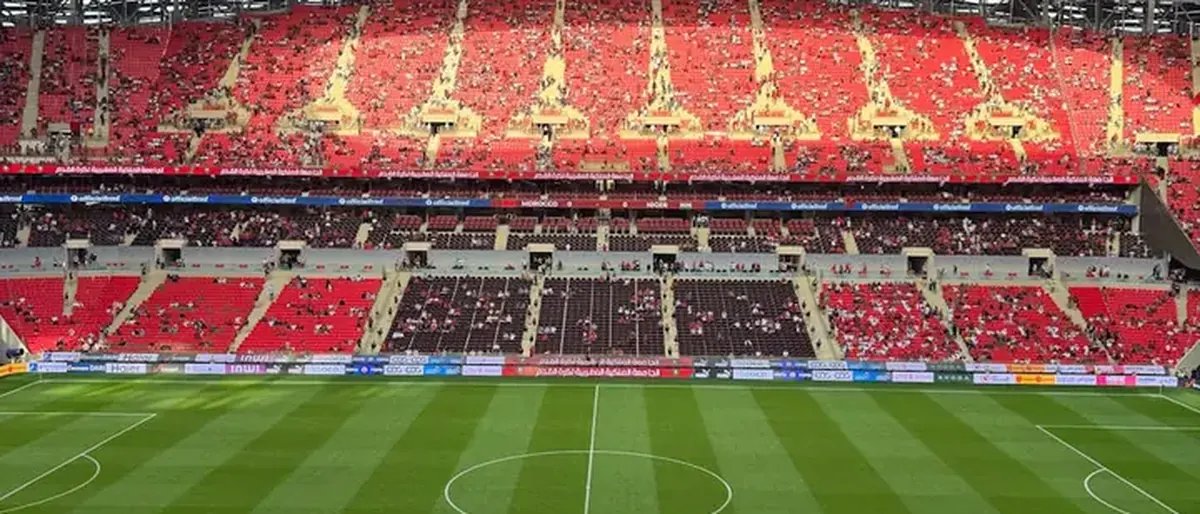
The Elland Road terraces have long been a crucible of English football passion, but the Daniel Farke era has introduced a distinct chapter in Leeds United’s storied supporter culture. Since the German manager’s appointment, the relationship between the stands and the pitch has evolved into a nuanced partnership—one forged through the highs of Championship dominance, the tension of Premier League survival, and the enduring identity of Yorkshire football. This is not merely about results; it is about how a fanbase that has experienced relegation, promotion, and the weight of history adapts to a new tactical and emotional landscape.
The Revival of Elland Road Atmosphere Under Farke
Elland Road has always been a fortress, but the atmosphere during the recent Championship title-winning campaign reached levels reminiscent of the early Marcelo Bielsa days. Farke’s side, built on energetic principles, mirrored the intensity of the crowd. The synergy became palpable: when the team pressed opponents into mistakes, the noise from the Kop swelled; when the crowd roared, the players found an extra yard of pace.
Key elements of this revival include:
- The Return of the ‘Leeds Roar’: The collective vocal response to Farke’s tactical triggers—particularly after winning the ball high up the pitch—became a defining feature of home matches.
- Choreographed Displays: Fan groups coordinated tifo displays that celebrated both the club’s history and the current squad’s identity.
- The ‘Marching On Together’ Effect: The club anthem, already a staple, took on renewed significance as a rallying cry during tense moments in the promotion run-in.
Fan Identity in Transition: From Bielsa to Farke
The transition from Bielsa to Farke was not seamless in the stands. Bielsa’s legacy—built on gegenpressing, youthful exuberance, and a near-spiritual connection with supporters—set an almost impossible standard. Farke, arriving after the relegation of 2022/23, faced the challenge of winning over a fanbase that had been emotionally scarred by the Premier League exit.
What emerged was a pragmatic shift in supporter mentality. The ‘Bielsa-ball’ purists initially questioned Farke’s more controlled possession approach, but the Championship title win silenced many critics. The fans began to appreciate Farke’s tactical flexibility: the ability to grind out results when the performance was not pristine, a quality that Bielsa’s teams sometimes lacked.
This evolution is visible in the chants and banners. Where once the stands celebrated relentless attacking, now there is equal appreciation for defensive resilience. The banner tradition, detailed in our piece on Leeds United fan flag and banner traditions, reflects this shift, with newer designs emphasising ‘Farke’s Whites’ and the tactical discipline of the squad.
The Yorkshire Identity: Pride, Resilience, and Community
Leeds United fan culture is inseparable from its Yorkshire roots. The region’s industrial heritage, its working-class pride, and its historical defiance against the football establishment shape how supporters engage with the club. In the Farke era, this identity has been reinforced through several channels:
- Community Ownership Initiatives: Fan-led groups have increased their involvement in club operations, from matchday volunteering to fundraising for local charities.
- The ‘One Leeds’ Ethos: The club’s community outreach programmes strengthened the bond between the team and its surrounding areas.
- Regional Rivalries: The intensity of derbies against Sheffield Wednesday, Huddersfield Town, and Middlesbrough remains a cornerstone of the fan calendar.
The Premier League Return: A Test of Faith
The return to the Premier League has tested the resilience of Leeds fan culture. As of the current season, the team has shown competitiveness but faces challenges in consistency. The fanbase, however, has largely maintained its support, recognising the financial and competitive realities of the Premier League. The atmosphere at Elland Road has adapted: where once there was expectation of victory, there is now appreciation for effort and tactical organisation.
Table 1: Key Fan Sentiment Indicators in the Current Premier League Season
| Indicator | Observation |
|---|---|
| Home attendance | Consistently high; sell-outs for key matches |
| Away followings | Among the largest in the division |
| Social media engagement | High engagement on matchdays; generally supportive during losses |
| Fan protests | Minimal; focus on backing the team |
The challenge for Farke and the squad is to maintain this goodwill. The Premier League’s financial disparity means that any finish outside the relegation zone would be considered a success, but the fanbase expects visible progress—both in results and in the development of young players from the Leeds United Academy.
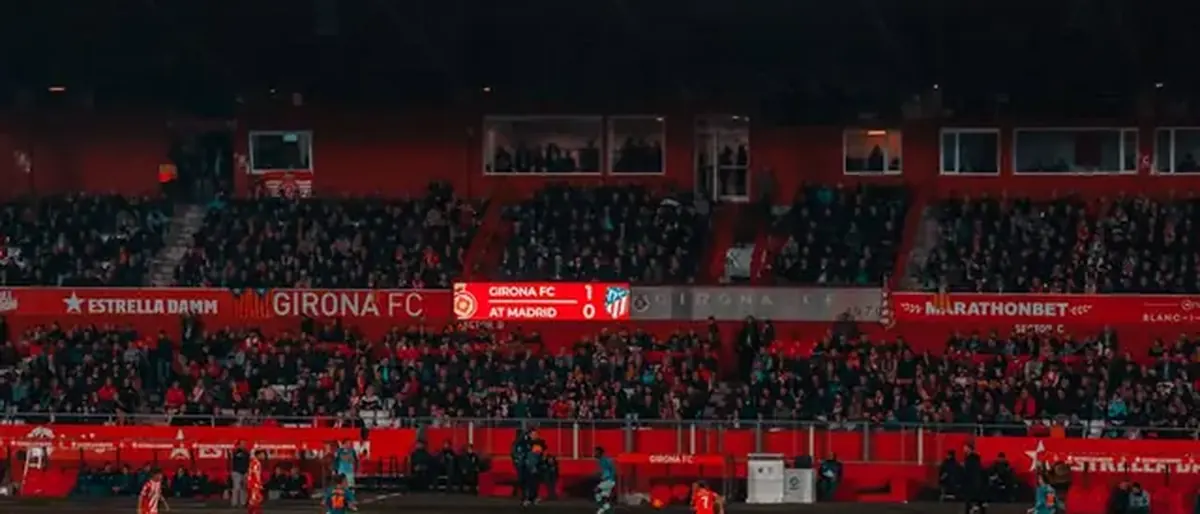
The Role of Flags, Banners, and Visual Culture
Visual displays have always been a vital part of Leeds fan culture, and the Farke era has introduced new motifs. The traditional ‘Leeds, Leeds, Leeds’ banner remains a constant, but newer designs reflect the current era:
- ‘Farke’s Army’: A direct reference to the manager’s ability to build a squad capable of promotion.
- ‘Yorkshire’s Finest’: Emphasising regional pride, particularly during away matches.
For a comprehensive look at this tradition, our article on Leeds United fan flag and banner traditions traces the evolution from the Revie years to the present day.
Comparison: Fan Culture Across Eras
To understand the unique character of fan culture under Farke, it is useful to compare it with previous managerial regimes.
Table 2: Fan Culture Characteristics Across Leeds United Eras
| Aspect | Don Revie (1960s-70s) | Howard Wilkinson (1990s) | Marcelo Bielsa (2018-2022) | Daniel Farke (2023-present) |
|---|---|---|---|---|
| Primary emotion | Pride in success | Relief and ambition | Passion and intensity | Pragmatic optimism |
| Matchday atmosphere | Celebratory, dominant | Tense, hopeful | Unpredictable, electric | Consistent, supportive |
| Relationship with manager | Reverential | Respectful | Almost cult-like | Professional, trusting |
| Key chant | ‘Marching on Together’ | ‘We Are Leeds’ | ‘Bielsa’s Whites’ | ‘Farke’s Whites’ |
| Visual culture | Scarves, rosettes | Flags, banners | Tifo displays, choreography | Tifo + digital coordination |
The Farke era sits between the emotional extremes of Bielsa and the pragmatic success of Wilkinson. It is a fan culture that has learned from past disappointments—the relegation of 2022/23, the near-misses of the early 2000s—and now values stability as much as spectacle.
Risks and Challenges to Fan Unity
No discussion of fan culture is complete without acknowledging the risks. The current season presents several challenges that could strain the bond between supporters and the club:
- Premier League Survival Pressure: If the team faces relegation threat, the patience of the fanbase may wane.
- Transfer Window Discontent: Fans are acutely aware of the need for reinforcements in certain positions.
- Ticket Pricing and Accessibility: As Premier League revenue increases, so do ticket prices, potentially alienating the core working-class support.
- Digital vs. Traditional Fanbases: The rise of online fan platforms can create divisions between those who attend matches and those who engage primarily through social media.
Conclusion: The Enduring Spirit of Elland Road
The Daniel Farke era has not rewritten the script of Leeds United fan culture; it has refined it. The core values—Yorkshire pride, unwavering support, and a deep connection to the club’s history—remain intact. What has changed is the context: a fanbase that has experienced the extremes of promotion and relegation now approaches each season with a measured optimism, appreciating the journey as much as the destination.
Farke’s ability to deliver multiple promotions in English football, including a Championship title, has earned him a place in the club’s narrative. But the true legacy of this era will be how the fans continue to shape the atmosphere, from the flags in the Kop to the chants echoing through the streets of Leeds. As long as Elland Road roars, the identity of this club—and its supporters—remains secure.
For those looking to deepen their understanding of the matchday experience, the fan-culture-ellan-road hub offers further resources on everything from pre-match rituals to post-match analysis.