
Leeds United Football Club has never been a place for passive support. From the terraces of Elland Road to the boardroom battles of the modern era, the club's fanbase has consistently demonstrated that their loyalty comes with a voice—and sometimes, a roar that shakes the very foundations of the institution they love. The history of Leeds United fan activism is not merely a footnote in the club's story; it is a defining characteristic of a community that refuses to be silenced, whether by relegation, mismanagement, or the shifting tides of football ownership.
The Roots of Resistance: From Revie to the First Division Glory
The seeds of fan activism were sown long before the modern era of protests and social media campaigns. In the 1960s and 1970s, under the legendary Don Revie, Leeds United enjoyed an unprecedented period of success, winning multiple First Division titles. The fans, known for their passionate and sometimes intimidating presence at Elland Road, were largely united behind the manager and the team. However, even during this golden era, there were murmurs of discontent—particularly regarding the club's style of play and the perceived injustices from referees and the football establishment.
The relationship between the fans and the board was not always harmonious. When Revie left to manage the England national team in 1974, the club entered a period of instability. The fans, who had grown accustomed to success, began to voice their frustrations through chants, banners, and occasional pitch invasions. This was the first real wave of organized fan activism, driven by a desire to maintain the standards set by Revie.
The Wilkinson Era and the Title: A Brief Respite
The arrival of Howard Wilkinson in 1988 marked a turning point. Wilkinson, a no-nonsense manager from Yorkshire, understood the club's culture and the expectations of its supporters. Under his guidance, Leeds United won the First Division title in the early 1990s, the last season before the formation of the Premier League. The fans, who had endured years of mediocrity, celebrated with a fervor that had been dormant for nearly two decades.
Yet, even in this moment of triumph, the seeds of future activism were being planted. The club's board, led by chairman Bill Fotherby, was criticized for not investing sufficiently in the squad to build on the title win. Fans began to question the direction of the club, and the first organized supporter groups emerged, demanding greater transparency and accountability from the board.
The Dark Days: Relegation and the Battle for Survival
The late 1990s and early 2000s were a period of decline for Leeds United. Financial mismanagement, reckless spending, and a series of poor managerial appointments led to the club's relegation from the Premier League in the mid-2000s. The fans, who had once celebrated the club's European adventures, now found themselves protesting against the very people who were supposed to be safeguarding the club's future.
The formation of the Leeds United Supporters' Trust was a direct response to this crisis. The trust, which aimed to give fans a voice in the running of the club, organized protests against the board and campaigned for fan representation at the highest levels. The most notable protest during this period was the "March for Justice" in the late 2000s, where thousands of fans marched from the city center to Elland Road, demanding the removal of the board and a return to fan-friendly ownership.
The Cellino Era: A Test of Patience
The arrival of Massimo Cellino in the mid-2010s was met with a mixture of hope and skepticism. The Italian businessman had a reputation for being eccentric and unpredictable, but he also promised to restore the club's fortunes. However, it quickly became apparent that Cellino's tenure would be marked by controversy. His frequent sackings of managers, erratic transfer policies, and legal troubles led to a growing sense of disillusionment among the fanbase.
The protests against Cellino were organized and persistent. Fans held "Cellino Out" banners at matches, organized boycotts of merchandise, and used social media to amplify their message. The Leeds United Supporters' Trust played a key role in coordinating these efforts, and their persistence eventually paid off when Cellino sold the club to Andrea Radrizzani in the late 2010s.
The Radrizzani Era: Hope, Disappointment, and the 49ers Takeover
Andrea Radrizzani's ownership began with promise. The Italian media entrepreneur invested in the squad, appointed Marcelo Bielsa as manager, and oversaw the club's return to the Premier League in 2020. The fans, who had endured years of mediocrity, were ecstatic. However, the euphoria was short-lived.
The club's relegation from the Premier League in 2023 was a bitter blow, and the fans' patience with Radrizzani began to wear thin. The sale of the club to the San Francisco 49ers in 2023 was initially welcomed, but the new owners soon faced their own challenges. The subsequent Championship season saw Leeds United secure promotion back to the Premier League, but the fans remained wary.
The Modern Era: Activism in the Age of Social Media
The current Premier League season has been a test of the fans' resolve. With the club struggling to compete in the top flight, the pressure is mounting. The fans, who have seen the club face challenges, have once again taken to the streets and the internet to voice their concerns.
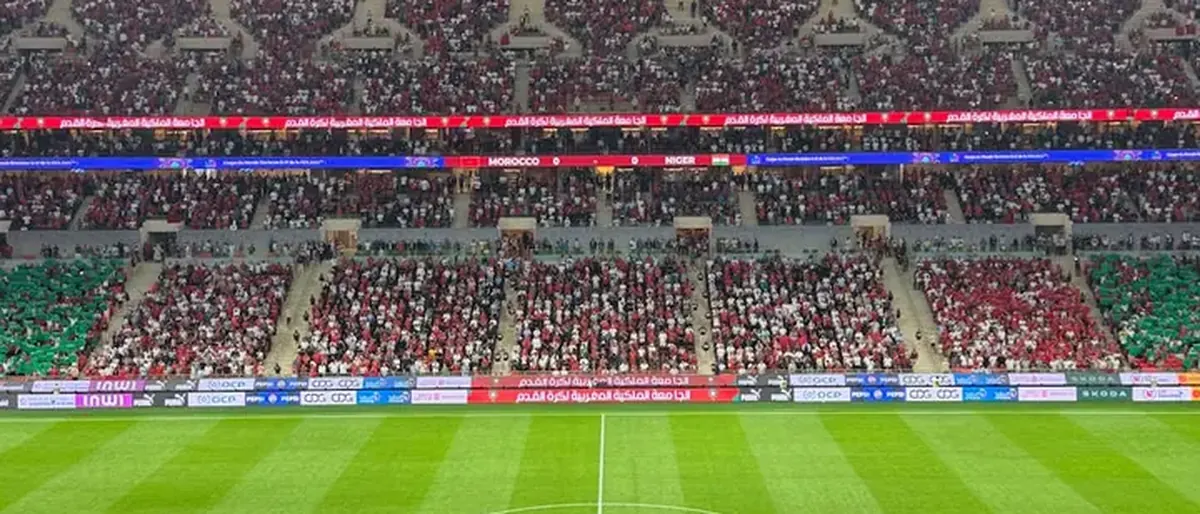
The protests have taken on a new dimension in the age of social media. Platforms like Twitter, Facebook, and Reddit have become battlegrounds for fan activism, with supporters organizing online campaigns, sharing information, and coordinating protests. The hashtag #LeedsUnitedProtest has been used during the season, drawing attention to the fans' demands for better investment, improved communication from the board, and a clear plan for the future.
The Role of Fan Groups
Several fan groups have emerged as key players in the modern protest movement. The Leeds United Supporters' Trust and other organized groups have been active in organizing protests, meeting with club officials, and lobbying for change. These groups have also been instrumental in raising funds for community projects and supporting the club's academy, which has produced several promising young players.
The Elland Road Atmosphere
Elland Road has always been known for its intimidating atmosphere, but in recent months, that atmosphere has taken on a different tone. The chants of "We want our club back" have been heard loud and clear, and the banners calling for the board's resignation have become a fixture at home matches. The fans have also used their voices to support the team, recognizing that the players are not the target of their protests.
The Risks of Activism: Balancing Passion with Pragmatism
Fan activism is a double-edged sword. While it can be a powerful tool for change, it also carries risks. Protests can disrupt the team's preparations, create a negative atmosphere, and even deter potential investors. The club's management, under Daniel Farke, has been careful to navigate these tensions, acknowledging the fans' concerns while urging them to support the team on the pitch.
The players, too, have been affected by the protests. Key players have spoken about the importance of fan support, while others have emphasized the need for unity. The fans, for their part, have been careful to distinguish between their anger at the board and their love for the team.
A Comparison of Fan Activism Across Eras
| Era | Key Concerns | Protest Methods | Outcome |
|---|---|---|---|
| Revie Era (1960s-1970s) | Style of play, refereeing decisions | Chants, banners, pitch invasions | Limited impact; club continued to succeed |
| Wilkinson Era (late 1980s-1990s) | Lack of investment, board transparency | Supporter groups, letters to board | Some improvements in communication |
| Post-Relegation (mid-2000s) | Financial mismanagement, board incompetence | Marches, boycotts, Supporters' Trust formation | Board removal, eventual sale to new owners |
| Cellino Era (mid-2010s) | Erratic management, legal troubles | "Cellino Out" campaigns, social media protests | Sale to new ownership |
| Radrizzani Era (late 2010s-2023) | Relegation, lack of investment | Online campaigns, protests at matches | Sale to 49ers |
| 49ers Era (2023-present) | Poor performance, lack of communication | Social media campaigns, organized protests | Ongoing |
The Future of Fan Activism at Leeds United
As the current season progresses, the fans' activism is likely to intensify. The club's struggle to compete in the Premier League, combined with the board's perceived lack of ambition, has created a volatile mix. The fans are demanding answers, and they are not afraid to make their voices heard.
The key to resolving the current crisis lies in communication. The board must engage with the fans, listen to their concerns, and provide a clear vision for the future. The players, too, must continue to give their all on the pitch, knowing that the fans are behind them, even in the darkest moments.
Leeds United is not just a football club; it is a community, a family, and a way of life. The fans' activism is a testament to their love for the club, and it is that love that will ultimately guide the club through these turbulent times. Whether through protests, petitions, or passionate support from the terraces, the fans of Leeds United will never stop fighting for their club.
Conclusion: The Unbreakable Bond
The history of Leeds United fan activism is a story of passion, resilience, and an unbreakable bond between the club and its supporters. From the terraces of Elland Road to the digital battlegrounds of social media, the fans have shown time and again that they will not be silenced. As the club navigates the challenges of the current Premier League season, one thing is certain: the fans will be there, every step of the way, demanding the best for their beloved Leeds United.
For more insights into the fan culture at Elland Road, explore our Fan Culture Hub, join the discussions on Leeds tactics, or relive the memories of the title win in our fan memories section.