

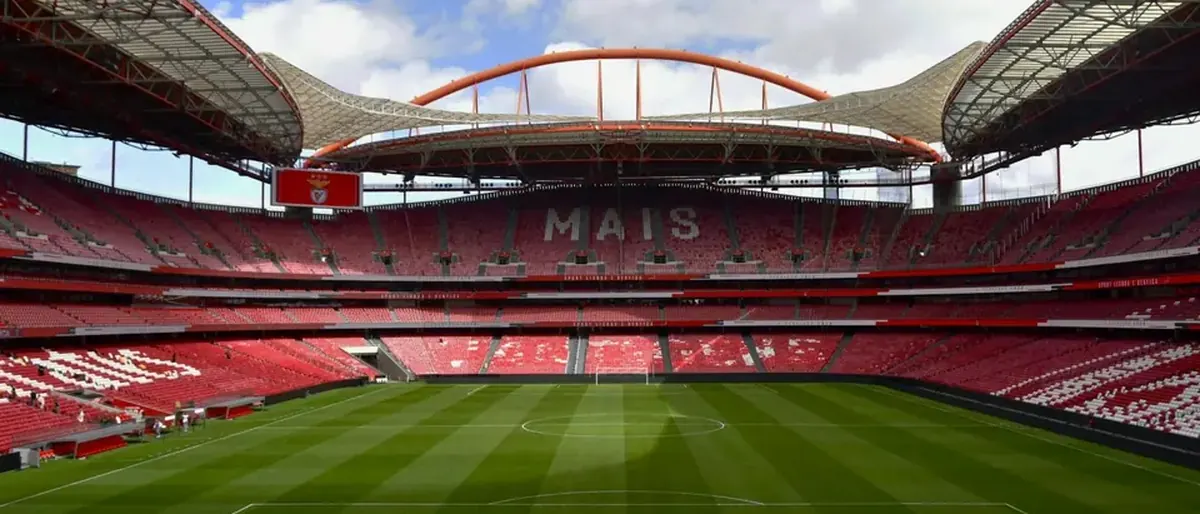
Few clubs in English football carry a sense of identity as fiercely guarded as Leeds United. The white shirts of Elland Road represent more than a football team; they embody a region, a working-class heritage, and a persistent defiance that has defined Yorkshire pride for generations. When derby day arrives, that identity is amplified—transforming matches into emotional battlegrounds where history, geography, and fan culture collide. Understanding how Leeds United supporters shape these occasions reveals the deeper currents that run beneath the pitch.
The Roots of Rivalry: Geography, Class, and Competition
Leeds United’s rivalries are not arbitrary. They stem from a combination of geographical proximity, historical competition, and cultural friction. The most intense of these is the West Yorkshire derby against Huddersfield Town, a fixture rooted in industrial-era competition between neighbouring mill towns. But the rivalry that carries the heaviest weight for Leeds fans is the one with Manchester United—a clash that transcends football and taps into the broader north-west versus Yorkshire animosity.
The enmity between Leeds United and Manchester United dates back to the Wars of the Roses, a 15th-century dynastic conflict between the Houses of Lancaster and York. While this historical connection is often romanticised, it provides a narrative framework that fans embrace. For Leeds supporters, facing Manchester United is not merely a league fixture; it is a reaffirmation of regional identity. The atmosphere at Elland Road during these encounters is electric, with the Kop end generating a wall of sound that visiting teams find oppressive.
Beyond Manchester United, Leeds maintains fierce rivalries with Chelsea, stemming from the 1960s and 1970s when both clubs were at the peak of their powers under Don Revie and Tommy Docherty respectively. That era produced some of the most physically intense matches in English football history, and the bitterness has never fully dissipated. Similarly, the rivalry with Millwall carries a particular edge, rooted in the 1980s hooligan culture that both clubs were associated with, though modern fan engagement has shifted toward more controlled expressions of loyalty.
The Role of Elland Road in Amplifying Derby Atmosphere
Elland Road is not just a stadium; it is a fortress of memory and emotion. For Leeds United fans, the ground itself becomes an active participant in derby days. The architecture—particularly the towering East Stand and the vociferous Kop—creates an acoustic environment that traps noise and amplifies it. When 36,000 supporters unite in a chorus of “Marching on Together,” the effect is disorienting for opposing players.
The pre-match rituals are part of the culture. Fans gather in the pubs surrounding Elland Road—the Old Peacock, the Drysalters, the West Riding—hours before kick-off. These gatherings are not merely social; they are preparatory rites where chants are rehearsed, rival songs are mocked, and collective intent is forged. The walk from the city centre to the stadium, through streets lined with white shirts and scarves, builds a crescendo of anticipation that peaks when the teams emerge from the tunnel.
During derby matches, the intensity of fan engagement reaches its zenith. Every tackle is met with a roar, every refereeing decision scrutinised through a lens of perceived bias. The Leeds United support is known for its impatience with underperformance, but on derby day, that impatience transforms into a relentless demand for effort above all else. A player who shirks a challenge in a derby will not be forgiven quickly; one who puts in a shift, even if lacking technical quality, earns lasting respect.
How Fan Culture Drives Player Performance
The psychological impact of Leeds United’s fan culture on players is profound. For those who embrace it, the support becomes a source of strength. At Elland Road, particularly in derby matches, players feel the weight of expectation but also the lift of collective belief.
Players whose energetic pressing style under the manager has made them fan favourites exemplify the type of player who thrives in this environment. Their relentless work rate—chasing lost causes, pressing defenders, and harassing goalkeepers—mirrors the fans’ own refusal to accept mediocrity. When such a player wins a tackle in midfield and the Kop erupts, the feedback loop between player and supporter is immediate and tangible.
Conversely, players who fail to match the intensity of derby day often find themselves targets of frustration. Some players who joined Leeds with a reputation for technical ability have experienced the double-edged nature of Elland Road support. When their hold-up play falters or a chance goes begging, the groans are audible. But when they score a crucial goal—as has happened in tense Yorkshire derbies—the adulation is deafening. The Leeds crowd demands authenticity; they can detect a player going through the motions from the first whistle.
The Evolution of Derby Day Traditions
Leeds United’s fan culture has evolved significantly over the decades. The hooliganism that plagued English football in the 1970s and 1980s has largely receded, replaced by more organised and family-oriented support. The Leeds United Supporters’ Trust plays an active role in coordinating travel, arranging pre-match events, and liaising with the club on safety matters. Derby days are now policed with precision, and while the atmosphere remains intense, incidents of violence are rare compared to previous eras.
Social media has transformed how fans engage with rivalries. Platforms like X (formerly Twitter) and dedicated fan forums become battlegrounds in the days leading up to a derby. Memes, historical clips, and provocative banter circulate widely. The Leeds United fan groups on social media are particularly active, creating a digital echo chamber that amplifies the sense of occasion. However, this online intensity can spill over into real-world interactions, and the club has worked to promote respectful discourse while acknowledging the passion that drives it.
Another tradition that has gained prominence is the display of tifos and banners. For major derbies, the Leeds United fan groups coordinate large-scale displays that cover entire stands. These visual statements—often referencing historical triumphs, legendary players like Don Revie or Howard Wilkinson, or mocking rival clubs—add a layer of spectacle that enhances the matchday experience. The choreography requires weeks of planning and significant financial outlay, funded entirely by fan donations.
The Economic and Social Impact of Derby Days
Derby days bring significant economic benefits to Leeds. Hotels, pubs, restaurants, and taxi services see a surge in demand. The city centre buzzes with activity from early morning until late evening. For local businesses, these fixtures are among the most profitable of the season. The Leeds City Council works closely with the club to manage traffic, public transport, and crowd flow, ensuring that the economic boost is maximised without compromising safety.
Socially, derby days serve as a unifying force for the Leeds community. Families gather to watch matches together, friends who have moved away return to the city, and workplaces organise viewing parties. The shared experience of supporting Leeds United against a hated rival strengthens social bonds and reinforces a collective identity. For many fans, attending a derby at Elland Road is a rite of passage, passed down from parents to children.
However, the intensity of derby day can also exacerbate tensions. Rivalries that are passionate on the terraces can spill into workplaces, schools, and neighbourhoods. The club has invested in community outreach programmes that emphasise respect and sportsmanship, particularly aimed at younger supporters. The message is clear: passion is welcome, but hatred is not. This balancing act is central to maintaining the positive aspects of fan culture while mitigating its potential downsides.
Comparing Leeds United’s Rivalries: Intensity, History, and Fan Engagement
| Rivalry | Primary Driver | Historical Peak | Current Intensity | Fan Engagement Level |
|---|---|---|---|---|
| Manchester United | Regional/cultural | 1960s–1970s | Very high | Maximum (full stadium, tifos, vocal) |
| Chelsea | Competitive/historical | 1960s–1970s | High | High (strong away support) |
| Huddersfield Town | Geographic | 1920s–1950s | Moderate | Moderate (lower league status affects) |
| Millwall | Hooligan culture | 1980s | Moderate | Moderate (reduced frequency of meetings) |
| Sheffield Wednesday | Geographic | 1970s–1990s | Moderate | Moderate (recent Championship encounters) |
This table illustrates that while Manchester United remains the most intense rivalry, the frequency of meetings and the competitive context significantly influence current fan engagement. The Championship 2024/25 season, for example, saw Leeds face Sheffield Wednesday and Huddersfield Town more regularly, reigniting local rivalries that had been dormant during Premier League seasons.
Risks and Challenges: Managing Passion Without Crossing Lines
The passion that makes Leeds United’s derby days so memorable also carries risks. Pyrotechnics, while visually striking, pose safety hazards and have led to fines for the club. The use of smoke bombs and flares, though often seen as part of the atmosphere, is illegal inside stadiums and can result in bans for individuals and sanctions for the club. Leeds United has worked with police and stadium security to reduce incidents while acknowledging that some fans see pyrotechnics as an expression of defiance.
Another risk is the potential for pitch invasions or objects being thrown onto the field. In high-stakes derbies, emotions can boil over when a contentious decision goes against Leeds or a rival player celebrates provocatively. The club has implemented strict protocols, including increased stewarding and the use of CCTV to identify offenders. Bans from Elland Road are issued for anyone found guilty of such behaviour, and the club has a zero-tolerance policy toward discrimination of any kind.
Social media abuse is a growing concern. After derby defeats, players and their families often face online harassment. Leeds United has partnered with organisations that combat online hate, encouraging fans to report abusive content and promoting positive engagement. The club’s official channels emphasise that while rivalry is healthy, personal attacks cross a line.
Conclusion: The Enduring Power of Derby Day Culture
Leeds United’s rivalries are not static; they evolve with the club’s fortunes, the composition of the squad, and the broader social context. What remains constant is the centrality of fan culture in shaping these occasions. The supporters of Leeds United bring history, identity, and raw emotion to every derby day, transforming matches into events that resonate far beyond the final whistle.
As the club navigates its return to the Premier League under Daniel Farke, the intensity of these rivalries will only grow. Recent seasons have provided moments that will be remembered for years—last-minute winners, controversial decisions, and displays of unwavering support from the stands. For Leeds United fans, derby days are not just about football; they are about belonging, about standing up for Yorkshire, and about carrying forward a tradition that stretches back generations.
Whether you are a lifelong season ticket holder or a newer supporter discovering the magic of Elland Road, the message is the same: embrace the passion, respect the history, and never forget that in Leeds, the fans are the heartbeat of the club. For more insights into what makes Leeds United’s fan culture unique, explore our dedicated section on fan culture at Elland Road, the deep-rooted Yorkshire pride in football culture, and the vibrant Leeds United fan groups on social media.